
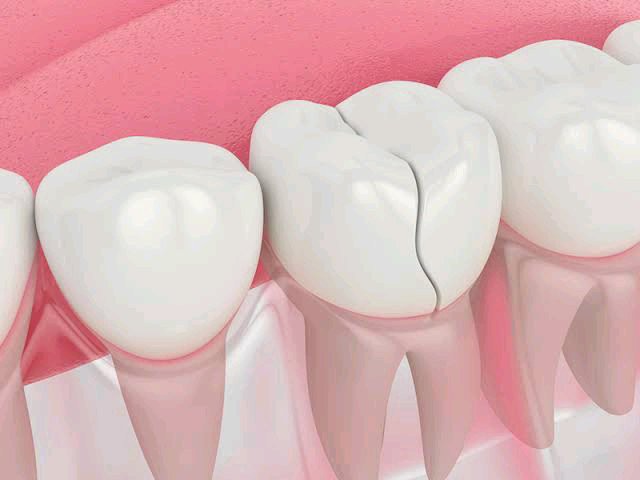
Brown or black stains on the teeth can be embarrassing, especially when they become noticeable while smiling or talking. Many people struggle with tooth discoloration and are constantly searching for affordable ways to restore their bright smiles.
Although some kitchen ingredients are commonly recommended for teeth whitening, not all home remedies are safe or effective. Understanding what causes tooth stains and how to remove them properly can help you maintain healthier, cleaner teeth.
What Causes Brown And Black Stains On Teeth?
Several factors can contribute to tooth discoloration, including:
1. Drinking Tea And Coffee: Regular consumption of tea and coffee can gradually leave dark stains on the surface of your teeth.
2. Smoking: Tobacco contains substances that can cause stubborn yellow, brown, or black stains.
3. Poor Oral Hygiene: Failure to brush and floss regularly allows plaque and tartar to accumulate, making teeth appear discolored.
4. Certain Foods And Drinks: Dark-colored beverages, sauces, and other foods can contribute to surface staining.
5. Tooth Decay: Sometimes, dark spots are signs of cavities rather than ordinary stains.
Common Household Ingredients People Use For Teeth Whitening
1. Baking Soda
Baking soda is a common kitchen ingredient found in some whitening toothpastes. Its mild abrasive properties can help remove certain surface stains.
However, using baking soda alone does not guarantee the removal of deep stains. A fluoride toothpaste formulated with baking soda is generally a better choice than homemade mixtures.
2. Salt
Salt is sometimes recommended as a natural cleaning ingredient. However, rubbing salt directly onto the teeth can irritate the gums and may contribute to enamel wear if used aggressively.
There is no strong evidence that brushing with ordinary kitchen salt effectively removes deep brown or black stains.
3. Lemon Juice
Lemon juice is frequently mentioned in homemade teeth-whitening recipes because of its acidic properties.
However, lemon juice should not be used to whiten teeth. Its high acidity can weaken tooth enamel, increase sensitivity, and eventually make discoloration worse.
4. Toothpaste
Fluoride toothpaste remains one of the most important products for maintaining healthy teeth.
Some whitening toothpastes contain ingredients that help remove surface stains caused by food, coffee, and tobacco.
For better results, choose a fluoride toothpaste suitable for your dental needs.
How To Remove Brown Stains From Your Teeth Safely
Instead of combining lemon juice, salt, baking soda, and toothpaste, consider these safer methods.
Step 1: Brush your teeth twice daily for approximately two minutes using a soft-bristled toothbrush and fluoride toothpaste.
Step 2: Clean between your teeth daily with dental floss or another suitable interdental cleaner to remove plaque and trapped food particles.
Step 3: Reduce your consumption of staining drinks such as coffee, tea, and dark-colored soft drinks.
Step 4: Rinse your mouth with water after consuming foods or beverages that may stain your teeth.
Step 5: Consider using a whitening toothpaste designed to remove surface stains without excessive abrasion.
Step 6: Visit a dentist for professional cleaning if the stains remain stubborn or appear black.
Can Deep Brown Or Black Stains Be Removed At Home?
The answer depends on what caused the discoloration.
Surface stains may gradually improve with proper brushing and suitable whitening products. However, deep stains, hardened tartar, and discoloration caused by tooth decay usually require professional dental attention.
If a dark spot is accompanied by pain, sensitivity, swelling, or a visible hole in the tooth, consult a dentist rather than attempting to remove it with kitchen ingredients.
Final Thoughts
Having clean, healthy teeth can improve your confidence and encourage you to smile more often.
While household ingredients such as baking soda, salt, and lemon juice are frequently promoted as inexpensive whitening solutions, some homemade combinations can damage tooth enamel.
The safest approach is to maintain good oral hygiene, use fluoride toothpaste, avoid excessive consumption of staining substances, and seek professional dental care when necessary.
Remember, healthy teeth are more important than achieving an extremely white smile.
If you found this information helpful, share it with your friends and family so they can learn safer ways to maintain clean and healthy teeth.