
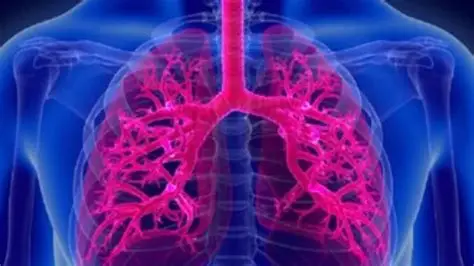
The lungs are vital organs responsible for supplying oxygen to the body and expelling carbon dioxide. When they are not in good condition, the body often signals distress through certain symptoms that should never be ignored. Recognizing these early warnings can help prevent severe respiratory complications.
One major sign is persistent coughing. While an occasional cough may be normal, a chronic cough that lasts for weeks could indicate lung problems such as asthma, chronic bronchitis, or even early lung cancer. Along with this, shortness of breath during normal activities or while at rest suggests that the lungs are not effectively delivering oxygen.
Another concerning symptom is chest pain or tightness, which may worsen during deep breathing or coughing. This can signal infections, inflammation, or in severe cases, pulmonary disease. Wheezing, a whistling sound while breathing, is also a red flag that airways may be blocked or narrowed.
Frequent respiratory infections like colds, pneumonia, or bronchitis may indicate weakened lung function. Additionally, coughing up blood or mucus with unusual color should always be treated as a warning sign of serious underlying issues.
People with unhealthy lungs may also experience chronic fatigue because their bodies are not getting enough oxygen to maintain energy levels. Similarly, bluish lips or fingertips (cyanosis) occur when oxygen levels in the blood drop significantly.
Another subtle but important sign is unexplained weight loss or loss of appetite, often linked to advanced lung disease. Finally, difficulty in exercise tolerance—struggling to perform simple physical tasks—can indicate reduced lung capacity.
If you notice persistent cough, breathlessness, chest pain, wheezing, frequent infections, coughing blood, fatigue, bluish lips, unexplained weight loss, or poor exercise tolerance, it may mean your lungs are in danger. Immediate medical evaluation is crucial for early diagnosis and treatment.