
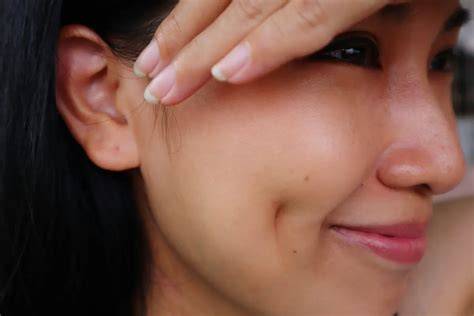
Dimples are often considered an attractive facial feature, especially when they appear while a person is smiling. Some people even attach special meanings to them, but there is a more interesting explanation behind these small indentations.
What Do Dimples Actually Mean?
Facial dimples are usually caused by differences in the structure of the muscles and tissues beneath the skin. The most common type appears on the cheeks when a person smiles.
One explanation involves a variation in the zygomaticus major, a muscle involved in smiling. In people with cheek dimples, differences in the muscle’s structure can cause the skin to pull inward when they smile, creating the familiar indentation.
They Can Run In Families
Dimples can sometimes occur among members of the same family, suggesting that genetics may play a role. However, the inheritance of dimples is more complicated than the simple “one dominant gene” explanation sometimes found online.
So, having dimples does not necessarily mean that a person’s children will definitely have them.
Dimples Can Change Over Time
Some people notice that their dimples become less noticeable as they grow older. Changes in facial tissues, skin elasticity and body composition can affect how prominent facial dimples appear.
Others may keep their dimples throughout adulthood.
What About The Personality Claims?
You may have heard that people with dimples are naturally cheerful, lucky, attractive or destined for success. These are cultural beliefs rather than established scientific facts.
A person’s facial features cannot reliably determine their personality, intelligence or future.
Final Thoughts
Dimples may look mysterious, but their “hidden meaning” is largely anatomical. They are a natural variation in facial structure that can make a person’s smile distinctive.
So, if you have dimples, there is no secret personality code behind them but you do have a facial feature that many people find charming.