
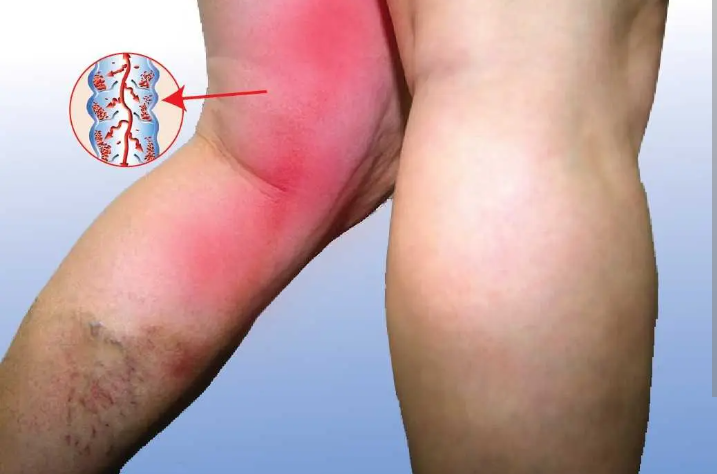
Blood clots are serious medical conditions that can be life-threatening if ignored. While some signs are obvious, there are hidden symptoms that many people overlook, putting them at greater risk of complications such as stroke, pulmonary embolism, or heart attack. Understanding these warning signals is crucial for early detection and treatment. Below are five hidden blood clot signs you should not ignore.
First, unexplained swelling in one leg or arm is a common but often overlooked symptom. This occurs because the clot blocks normal blood flow, causing fluid to accumulate in the affected area. Swelling that appears suddenly and does not improve with rest should raise concern.
Second, persistent pain or tenderness in the leg, especially the calf, can signal deep vein thrombosis (DVT). Unlike normal muscle soreness, this pain may worsen when standing or walking and often feels like cramping or a dull ache.
Third, skin discoloration is another hidden sign. A blood clot can cause the skin near the affected vein to appear red, bluish, or unusually pale. The skin may also feel warmer than surrounding areas, a clue that circulation is impaired.
Fourth, shortness of breath or chest pain could indicate a clot has traveled to the lungs, leading to a pulmonary embolism. This is a medical emergency and may also present with dizziness, rapid heartbeat, or coughing up blood.
Finally, unexplained fatigue is a subtle but important symptom. When clots interfere with circulation, the body receives less oxygen-rich blood, leading to weakness and exhaustion without clear cause.
In conclusion, hidden signs of blood clots should never be dismissed. If you experience sudden swelling, unexplained leg pain, skin changes, chest discomfort, or unusual fatigue, seek medical attention immediately. Early diagnosis can prevent serious complications and save lives.