
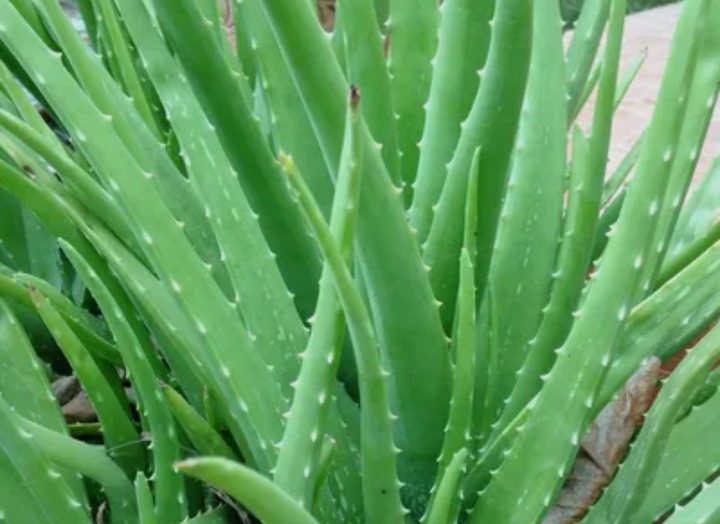
Aloe vera is widely grown in homes and gardens because of its attractive appearance, medicinal reputation and ability to survive with minimal care. However, despite its popularity, the plant has hidden risks that homeowners, particularly those keeping pets, should understand before deciding to grow it.
Originally native to parts of Africa and the Arabian Peninsula, aloe vera is recognised by its thick, pointed green leaves and remarkable ability to store water. This makes it a suitable choice for people who may not always remember to water their plants regularly.
Beyond its decorative appeal, aloe vera has also attracted attention for its potential contribution to indoor air quality. It is associated with absorbing pollutants such as benzene and formaldehyde, which can affect the quality of air inside homes.
However, the plant is not entirely harmless. Its yellow latex, found beneath the outer surface of the leaves, contains compounds that can be toxic when ingested, particularly by cats and dogs.
Animals that chew or swallow aloe vera may develop vomiting, diarrhoea and other digestive complications. Pet owners are therefore advised to think carefully about where they position the plant.
One way to reduce the risk is to place aloe vera in elevated locations, such as high shelves or hanging baskets near sunny windows. Those growing it outdoors can also consider using fenced sections to prevent pets from reaching the leaves.
People handling the plant should equally exercise caution by washing their hands after pruning, repotting or propagating it to avoid contact with irritating substances.
For those interested in extracting its gel, removing the sharp edges and soaking cut leaf sections in water helps drain the bitter yellow latex before collecting the clear substance.
Although aloe vera remains an attractive and low-maintenance addition to any home, understanding its potential dangers is important before planting it, especially in households with pets.