
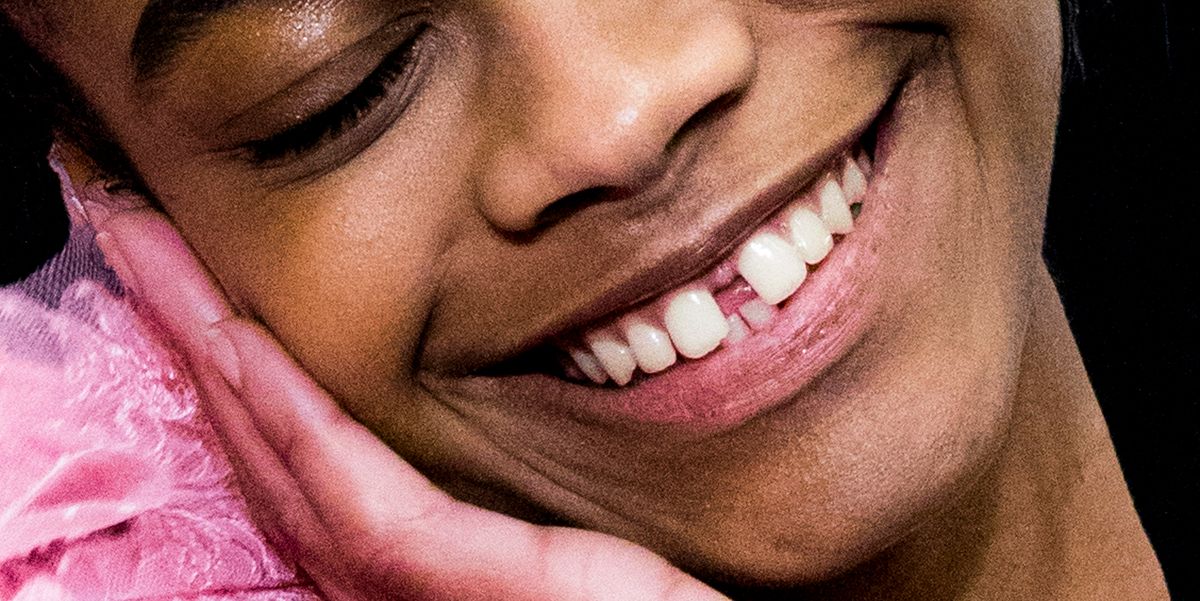
Many people casually describe a space between the front teeth as “gap teeth” or “open teeth.” While these phrases are widely used, they are not the correct term. The proper word for this dental condition is Diastema.
What Is Diastema?
Diastema refers to a noticeable space or gap between two teeth, most commonly the upper front teeth.
It is a natural occurrence and can appear in both children and adults.
Causes of Diastema
1. Genetics – If your parents have it, you may inherit it.
2. Mismatch in jaw and tooth size – When the jaw is larger than the size of the teeth, spaces can occur.
3. Habits like thumb sucking – This can push the teeth forward and create a gap.
4. Periodontal disease – Gum problems can cause teeth to shift, leading to gaps.
5. Missing or undersized teeth – This can leave spaces in the dental arch.
Is Diastema a Problem?
For many, diastema is purely cosmetic and doesn’t affect health.
Some people embrace it as a unique beauty feature.
However, if caused by gum disease or bad habits, treatment may be necessary.
Treatment Options (If Desired)
1. Braces or aligners – To gradually close the gap.
2. Dental bonding or veneers – To cover or reshape the teeth.
3. Surgery – If the gap is due to extra tissue between teeth (labial frenulum).
4. Lifestyle correction – Stopping thumb sucking or tongue thrusting.
Next time, instead of saying “gap teeth” or “open teeth,” use the correct term: Diastema. It’s more accurate, professional, and recognized in the field of dentistry.