
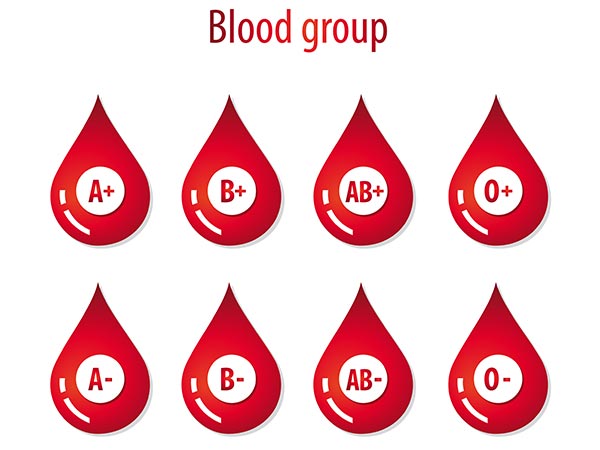
Blood group O is one of the most common blood types in the world. If you belong to this group, there are unique health and lifestyle facts you should know.
1. Universal Donor Status
People with blood group O-negative are called “universal donors.”
Their blood can be given to almost anyone, regardless of blood group, especially in emergencies.
2. Limited Receiving Options
While O-negative can donate to all, they can only receive blood from another O-negative donor.
O-positive individuals can donate to all positive blood groups but can only receive O-positive and O-negative.
3. Lower Risk of Heart Disease
Some studies suggest that people with blood group O may have a slightly lower risk of developing heart disease compared to other blood groups.
4. Higher Risk of Certain Conditions
Blood group O individuals are more prone to stomach ulcers and infections caused by Helicobacter pylori.
They may also face challenges with fertility compared to other blood groups.
5. Strong Immune Response
Blood group O people often have a strong immune defense system, which helps them fight infections more effectively.
6. Impact on Personality (Cultural Belief)
In some cultures, especially Japan, blood groups are linked to personality.
People with blood group O are often described as confident, natural leaders, and goal-driven.
7. Importance in Pregnancy
Women with blood group O may sometimes face complications in pregnancy if their partners belong to different blood groups (Rh factor issues).
Doctors usually monitor this closely to avoid risks to the baby. Being blood group O comes with unique advantages and risks. Knowing your blood group is not just important for emergencies but also for understanding how it may affect your health.