
One of the most effective ways to lower blood pressure is through regular physical activity. You don’t need to join a gym or lift heavy weights — even a brisk 30-minute walk each day can make a big difference.
Walking, cycling, swimming, or even dancing improves blood circulation, strengthens the heart, and helps your arteries stay flexible. Exercise also reduces stress hormones that can tighten your blood vessels, allowing blood to flow more freely.
Another simple but powerful change is improving your diet. Focus on eating foods rich in potassium, magnesium, and fiber, such as bananas, avocados, spinach, and whole grains. These nutrients help balance the sodium levels in your body, which is crucial since too much salt raises blood pressure. Cutting down on processed foods, canned soups, and salty snacks can significantly help. Also, drinking enough water throughout the day supports kidney function and helps the body flush out excess sodium.
Stress management plays a major role as well. Chronic stress can cause your blood pressure to spike, especially when paired with unhealthy coping habits like smoking, drinking alcohol, or overeating. Try deep breathing exercises, meditation, or simply taking time to relax and disconnect from your phone or work. Even a few minutes of calm every day can help lower your stress levels and stabilize your blood pressure.
Sleep is another important factor that people often overlook. Poor sleep or irregular sleep patterns can disrupt hormone balance and increase blood pressure. Aim for 7–8 hours of quality sleep every night. Create a peaceful bedtime routine — dim the lights, avoid screens before bed, and keep your room quiet and cool. Your body needs rest to repair and regulate blood pressure effectively.
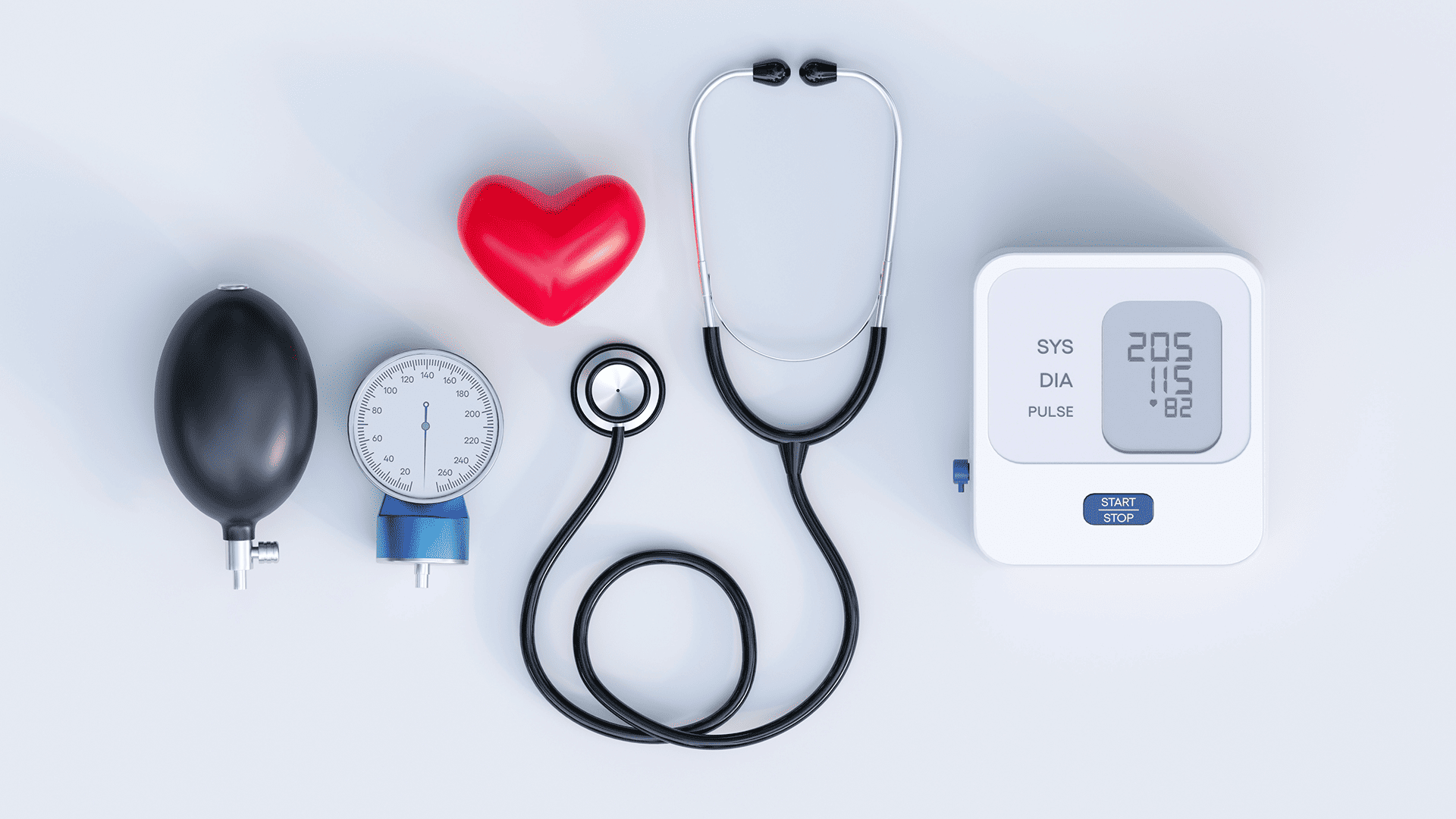
Finally, monitor your blood pressure regularly. This simple habit helps you stay aware of your progress and notice changes early. Home blood pressure monitors are affordable and easy to use. Keeping track of your readings can motivate you to stick to your healthy habits and discuss any concerns with your doctor before they become serious.
Lowering high blood pressure doesn’t have to be complicated. It’s about making small, consistent changes that add up over time. Move your body more, eat fresh and balanced meals, stay calm, sleep well, and keep an eye on your numbers. By doing these simple things every day, you can take control of your health, prevent future complications, and live a longer, stronger, and happier life — one healthy choice at a time.