
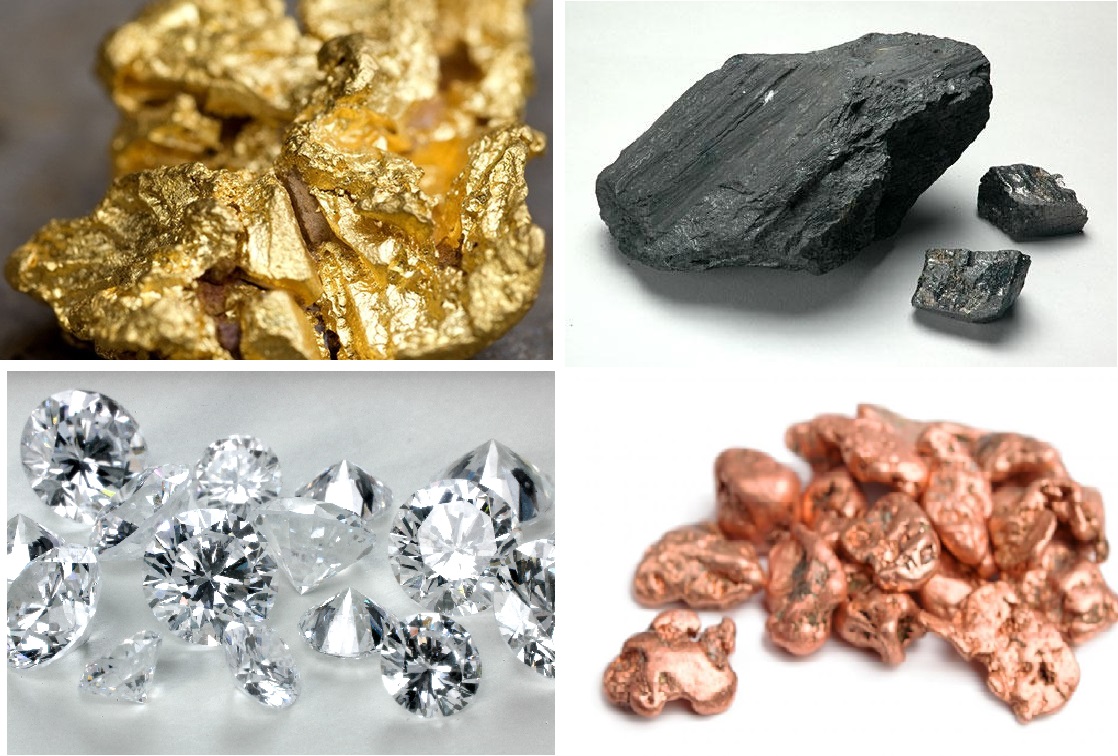
Africa is home to enormous reserves of valuable natural resources, ranging from oil and natural gas to gold, diamonds, copper, cobalt, and other minerals. These resources play important roles in the economies of many African countries and supply raw materials used by industries around the world.
Although it is difficult to objectively rank countries as having the “best” natural resources, the following five are notable for the size, variety, or economic importance of their resources.
1. Democratic Republic of the Congo (DRC)
The Democratic Republic of the Congo is exceptionally rich in mineral resources. The country has major deposits of cobalt, copper, diamonds, gold, tin, and coltan.
The DRC is particularly important to the global cobalt industry. Cobalt is widely used in rechargeable batteries found in electric vehicles, smartphones, laptops, and other electronic devices.
The country is also a major copper producer. Despite this enormous mineral wealth, the DRC has faced challenges including armed conflict, illegal mining, infrastructure limitations, and governance problems that have complicated efforts to translate its resources into broad economic prosperity.
2. Nigeria
Nigeria is particularly well known for its large oil and natural gas resources.
For decades, petroleum has played a major role in the Nigerian economy and has been an important source of government revenue and export earnings.
However, Nigeria’s natural resources extend beyond petroleum. The country also has deposits of limestone, coal, bitumen, tin, iron ore, gold, lead, zinc, and gypsum, among other minerals.
Developing these resources could contribute to efforts to diversify the economy beyond its traditional dependence on oil.
3. South Africa
South Africa has one of the most developed mining industries on the continent and possesses an impressive variety of mineral resources.
The country is particularly famous for its platinum-group metals, gold, diamonds, manganese, chromium, and coal.
South Africa holds exceptionally large reserves of platinum-group metals and remains an important global producer. Its coal resources have also historically played a major role in domestic electricity generation.
Mining continues to contribute to the country’s exports, employment, and industrial activity.
4. Zambia
Zambia is widely recognized for its copper resources.
Much of the country’s mining activity is concentrated in the Copperbelt, a mineral-rich region extending into the neighboring Democratic Republic of the Congo.
Copper is one of Zambia’s most important exports and plays a major role in its economy. Global demand for copper has become increasingly important because the metal is widely used in construction, electronics, electricity networks, renewable-energy technologies, and electric vehicles.
Zambia also possesses other minerals, including cobalt, gold, manganese, and gemstones such as emeralds.
5. Ghana
Ghana is another African country blessed with a variety of valuable natural resources.
Gold is particularly important. Ghana has a long history of gold mining and remains one of Africa’s significant producers of the precious metal.
The country also has deposits of bauxite, manganese, and diamonds.
In addition, offshore petroleum discoveries have made crude oil and natural gas important parts of Ghana’s resource sector.
Beyond minerals and petroleum, Ghana is one of the world’s major cocoa-producing countries, making agriculture another important source of export earnings.
Final Thoughts
Africa possesses some of the world’s most important deposits of minerals and energy resources. The Democratic Republic of the Congo, Nigeria, South Africa, Zambia, and Ghana demonstrate just how diverse this natural wealth can be.
However, possessing valuable resources does not automatically guarantee economic prosperity. How countries manage revenues, attract responsible investment, protect communities and the environment, develop infrastructure, and reduce corruption can greatly influence how much ordinary citizens ultimately benefit from their natural wealth.