
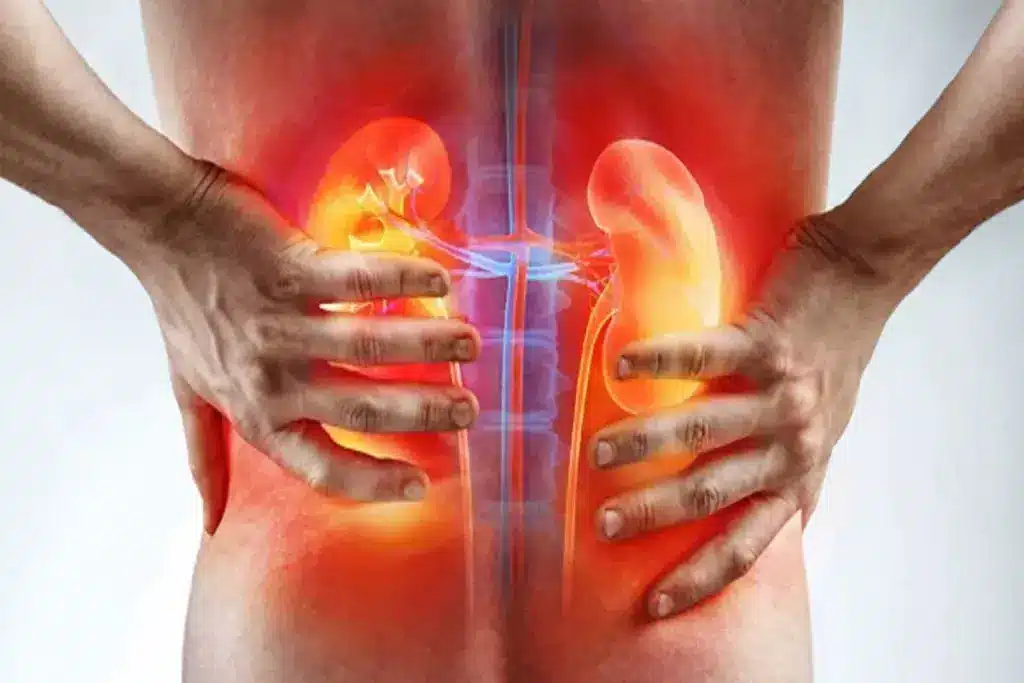
The kidneys are two bean-shaped organs located near the back of the body, just below the rib cage. They perform several important functions, including filtering waste products from the blood, removing excess fluid through urine, controlling blood pressure, and maintaining the body’s balance of minerals.
When the kidneys develop certain problems, pain may occur in different parts of the body. However, not all kidney diseases cause pain. In fact, chronic kidney disease can develop silently without noticeable symptoms during its early stages.
Understanding where kidney-related pain may occur can help you recognise warning signs and know when to seek medical attention.
## 1. Pain In The Lower Back Or Sides
One of the most common locations for kidney-related pain is the back, particularly on either side of the spine, just below the ribs.
This area is known as the flank. Pain may affect the left side, right side, or both sides, depending on the underlying condition.
Kidney infections and kidney stones are among the conditions that can cause pain in this region.
Unlike ordinary muscular back pain, kidney pain is often felt deeper inside the body. However, the location of pain alone cannot confirm a kidney problem.
## 2. Pain In The Side Of The Abdomen
Some kidney conditions can cause pain that extends from the back towards the side of the abdomen.
For example, kidney stones may cause sudden, severe pain when they move into the ureter, the tube that carries urine from the kidney to the bladder.
The pain may come in waves and can be accompanied by nausea, vomiting, or blood in the urine.
Anyone experiencing severe abdominal or side pain should seek medical attention to identify the cause.
## 3. Pain In The Lower Abdomen
Pain in the lower abdomen may sometimes be associated with problems affecting the urinary system.
When a kidney stone travels down the ureter, the pain may move from the back or side towards the lower abdomen.
However, lower abdominal pain can also result from bladder infections, digestive problems, and several other medical conditions.
Therefore, it is important not to assume that every lower abdominal pain is caused by kidney disease.
## 4. Pain Around The Groin
Another area where pain may occur is the groin.
This is particularly common when a kidney stone moves through the urinary tract.
The pain may begin in the side or back and gradually spread towards the groin. Some people may also experience a frequent urge to urinate or discomfort while passing urine.
Severe groin pain accompanied by vomiting, fever, or difficulty urinating requires prompt medical evaluation.
## 5. Pain Or Burning Sensation During Urination
Although this is not pain directly inside the kidneys, a burning sensation while urinating can indicate a urinary tract problem.
Urinary tract infections may cause painful urination, frequent urination, cloudy urine, or discomfort in the lower abdomen.
If an infection spreads to the kidneys, additional symptoms may develop, including fever, chills, nausea, and pain in the back or sides.
Kidney infections require prompt medical treatment because untreated infections can lead to serious complications.
## Other Warning Signs Of Kidney Problems
Apart from pain, certain symptoms may suggest that the kidneys or urinary system are not functioning properly.
These include:
1. Blood in the urine.
2. Swelling of the feet, ankles, or face.
3. Changes in urination patterns.
4. Persistent tiredness or weakness.
5. Nausea and loss of appetite.
6. Foamy urine, particularly when it occurs repeatedly.
7. High blood pressure.
8. Fever and chills, especially when accompanied by flank pain.
These symptoms do not automatically mean that a person has kidney disease, but persistent or unexplained symptoms should be investigated.
## How To Keep Your Kidneys Healthy
Maintaining healthy kidneys involves adopting habits that support overall health.
Drink enough water to stay properly hydrated, especially during hot weather or physical activity. However, people with certain kidney or heart conditions may need to limit their fluid intake based on medical advice.
Reduce excessive salt consumption, maintain a healthy body weight, and eat a balanced diet containing fruits, vegetables, and other nutritious foods.
People living with diabetes or high blood pressure should manage these conditions carefully because they are major causes of chronic kidney disease.
Avoid frequent or prolonged use of painkillers such as ibuprofen and diclofenac without medical guidance, as these medicines can damage the kidneys in certain circumstances.
Regular medical checkups, including blood tests to assess kidney function and urine tests for protein, can help detect kidney problems early.
## When Should You See A Doctor?
Seek urgent medical attention if you experience severe pain in your back or side, particularly when accompanied by fever, chills, vomiting, or blood in the urine.
An inability to pass urine also requires urgent medical care.
Remember that kidney disease does not always produce pain. Some people may have significant kidney damage without experiencing any discomfort.
## Conclusion
The main areas where kidney-related pain may occur include the back below the ribs, the sides of the abdomen, the lower abdomen, and the groin. Pain during urination may also indicate a urinary tract problem that needs attention.
However, pain in these areas does not necessarily mean that your kidneys are damaged. Muscle strain, digestive conditions, and other illnesses can produce similar symptoms.
The most reliable way to determine whether your kidneys are functioning properly is through appropriate medical examination, blood tests, and urine tests.
Early diagnosis and treatment can help prevent complications and protect long-term kidney health.