
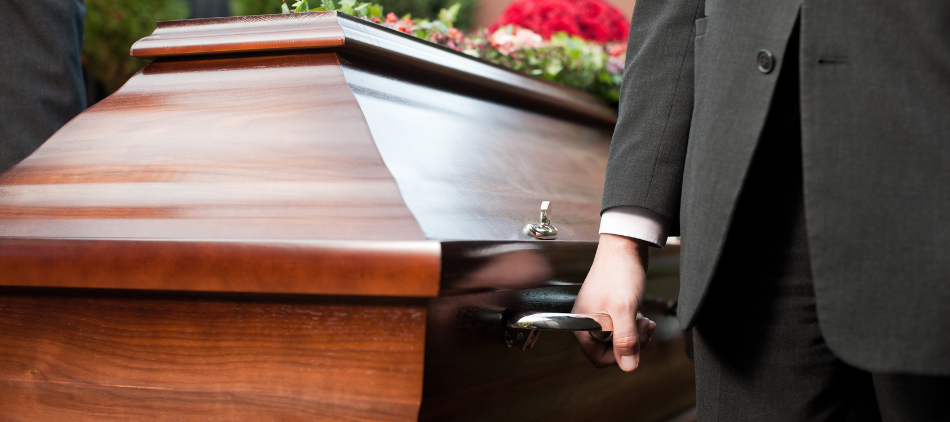
When preparing a deceased person for burial, there are certain items that need to be removed to ensure safety, proper preservation, and respect for the body. These items may cause harm, delay decomposition, or create problems during cremation or burial if left inside.
1. Medical Devices and Implants
Pacemakers: Must be removed because they can explode during cremation and may cause hazards.
Defibrillators: Contain batteries that can leak or explode.
Insulin pumps or other electronic medical devices: Can release harmful chemicals.
2. Prosthetics with Batteries or Metal Parts
Artificial limbs or implants containing batteries, metal rods, or mechanical joints may interfere with the burial or cremation process.
3. Jewelry and Valuables
Rings, necklaces, watches, and other valuables are usually removed to prevent theft, damage, or legal disputes among family members.
4. Clothing Accessories That Don’t Decompose
Items such as belts with metal buckles, shoes with rubber soles, and eyeglasses are often removed because they don’t decompose naturally.
5. Tubes and Catheters
Medical tubes, IV lines, and catheters should be taken out for hygienic reasons and to prepare the body properly.
6. Dentures and Dental Implants (Sometimes)
In some traditions or for identification purposes, dentures or gold dental implants may be removed before burial.
7. Hazardous Materials
Any substance inside the body that could contaminate soil or pose environmental hazards must be removed.
In summary, removing medical devices, hazardous implants, valuables, and non-biodegradable items ensures safety, dignity, and proper burial practices.