
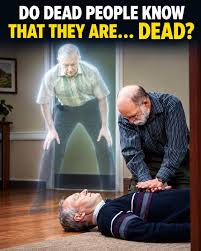
Death remains one of the deepest mysteries of human existence, and for centuries, people have debated what happens in the moments after the heart stops.
While spiritual and cultural beliefs vary, modern science has provided surprising insights into what occurs in the body and brain during the transition from life to death.
1. The Heart Stops First
When a person dies, the heart is usually the first organ to stop. This halts blood flow to the brain and other vital organs. Without oxygen, the brain begins shutting down within seconds, although not instantly.
2. The Brain May Stay Active for Minutes
Recent scientific studies suggest that the brain does not die immediately after the heart stops. Some parts of the brain remain active for up to several minutes, and electrical activity may continue briefly while cells struggle to survive.
This short window may explain why some people who were revived describe seeing bright lights, hearing voices, or becoming aware of their surroundings. These experiences are often referred to as “near-death experiences.”
3. Do Humans Know They Are Dead?
Scientific evidence suggests some level of awareness may continue for a brief period after death.
In one large study, some cardiac arrest survivors reported hearing conversations in the hospital room even after their heart had stopped. This means the brain might register sound or awareness for a short time even when the body appears unresponsive.
However, scientists emphasize that this awareness is temporary, and once the brain fully shuts down, consciousness fades.
4. The Body Begins a Natural Shutdown
After full brain death occurs, the body slowly enters the natural processes of cooling (algor mortis) and rigidness (rigor mortis). These are physical signs that life functions have completely ended.
5. Spiritual Interpretations Vary
Many religions and cultures believe that consciousness or the soul continues beyond physical death. Science cannot confirm or deny these beliefs, leaving room for faith, tradition, and personal interpretation.