
Many people are unaware that some foods they eat regularly contain natural toxins that can be harmful if the foods are prepared incorrectly or consumed in excessive amounts. According to the World Health Organization (WHO), certain plants produce natural toxins as a defense mechanism against insects, animals, and other threats.
These toxins can pose health risks to both humans and animals. Depending on the substance and the amount consumed, exposure may cause symptoms such as nausea, vomiting, abdominal pain, and diarrhea. In severe cases, poisoning can damage vital organs and even lead to death.
Although many foods containing natural toxins are safe to eat when properly prepared, others require special care. Understanding which parts of these foods may be harmful and how to handle them safely can help you protect your health.
Below are eight common foods and food ingredients that deserve attention because of their naturally occurring toxins.
## 1. Apple Seeds
Apples are nutritious fruits that provide fiber, vitamins, and other beneficial nutrients. However, their seeds contain amygdalin, a natural compound that can release cyanide when broken down in the digestive system.
Cyanide is a poisonous substance that can interfere with the body’s ability to use oxygen. Exposure to sufficiently high amounts can cause serious symptoms, including breathing difficulties, confusion, seizures, and, in extreme cases, death.
Fortunately, accidentally swallowing a few apple seeds is unlikely to cause poisoning. The seeds have a protective outer coating that limits the release of their contents during digestion.
Nevertheless, it is best to avoid deliberately chewing or eating large quantities of apple seeds.
## 2. Nutmeg
Nutmeg is a popular spice used in cooking and baking. It adds a distinctive flavor to foods and beverages, but consuming excessive amounts can be dangerous.
Nutmeg contains myristicin, a naturally occurring compound that can cause toxic effects when consumed in large quantities.
Symptoms of nutmeg poisoning may include nausea, vomiting, dizziness, a rapid heartbeat, confusion, and hallucinations. Severe cases may involve other serious complications.
Nutmeg is generally safe when used in the small quantities normally required for cooking. However, consuming large amounts in an attempt to experience its mind-altering effects can be dangerous.
## 3. Green or Sprouted Potatoes
Potatoes are widely consumed because they are affordable, versatile, and nutritious. However, potatoes that have turned green, developed extensive sprouts, or become damaged may contain elevated levels of natural toxins called glycoalkaloids.
Two important glycoalkaloids found in potatoes are solanine and chaconine. These substances can cause poisoning when consumed in sufficient quantities.
Possible symptoms include nausea, vomiting, abdominal pain, and diarrhea. Severe poisoning may also affect the nervous system.
Green coloration can indicate that a potato has been exposed to light, although the color itself does not directly measure its toxin concentration.
Avoid eating potatoes that are extensively green, heavily sprouted, damaged, or bitter-tasting. Do not assume that cooking will reliably eliminate these toxins.
Store potatoes in a cool, dark, dry place to help prevent greening and excessive sprouting.
## 4. Raw or Undercooked Red Kidney Beans
Red kidney beans are an excellent source of plant-based protein, fiber, and essential nutrients. They can be a healthy addition to a balanced diet when prepared correctly.
However, raw or undercooked red kidney beans contain a natural toxin called phytohaemagglutinin, a type of lectin that can cause food poisoning.
Eating inadequately cooked kidney beans may lead to severe nausea, vomiting, abdominal cramps, and diarrhea. Symptoms can develop within a few hours of consumption.
To reduce this risk, soak dried kidney beans in water for at least five hours, discard the soaking water, and boil them vigorously in fresh water for at least 30 minutes. Continue cooking until the beans are completely tender.
Do not cook dried kidney beans solely in a slow cooker unless they have first been boiled properly. Low temperatures may not destroy the toxin sufficiently.
Canned kidney beans have already been cooked and can generally be used after draining and rinsing them.
## 5. Rhubarb Leaves
Rhubarb is a plant whose stalks are used in pies, desserts, and other dishes. While the stalks are generally safe to eat, the leaves should never be consumed.
Rhubarb leaves contain oxalic acid and other potentially harmful substances. Eating them can cause symptoms such as nausea, vomiting, abdominal pain, and diarrhea.
Large amounts may lead to serious complications, including kidney damage and disturbances in the body’s mineral balance.
The important distinction is that rhubarb stalks are commonly eaten, whereas the leaves are poisonous and should be discarded safely.
Never use rhubarb leaves as an ingredient in meals, smoothies, or homemade remedies.
## 6. Bitter Almonds
Almonds are nutritious nuts that contain healthy fats, protein, fiber, and other beneficial nutrients. However, bitter almonds differ from the sweet almonds commonly sold for eating.
Bitter almonds contain amygdalin, which can release cyanide when broken down in the body. Consuming them can cause cyanide poisoning, depending on the amount eaten and the concentration of the toxin.
Symptoms may include headache, dizziness, nausea, vomiting, and breathing difficulties. Severe poisoning can be life-threatening.
Sweet almonds sold for ordinary consumption are generally safe when eaten in normal quantities. Bitter almonds, however, should not be eaten raw or used in homemade preparations unless they have undergone an appropriate process that makes them safe.
If you are unsure whether an almond product is intended for consumption, follow its labeling and avoid eating unidentified nuts.
## 7. Raw Cashew Nuts
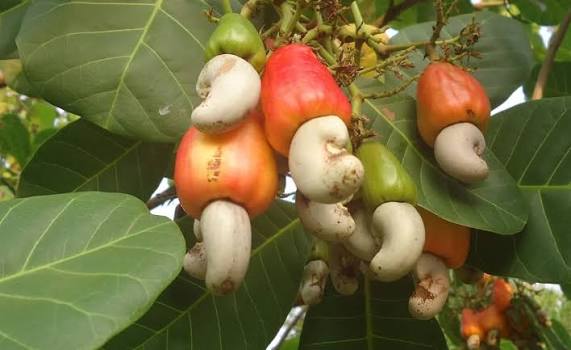
Cashews are popular nuts that provide protein, healthy fats, minerals, and other nutrients. However, cashew shells contain a substance called cashew nut shell liquid, which includes irritating compounds related to those found in poison ivy.
One of these compounds is anacardic acid, and related compounds can cause skin irritation and allergic reactions.
Handling untreated cashew nuts may cause painful skin reactions in some people. Exposure to the irritating substances can also be dangerous if the nuts are processed or handled improperly.
Commercial cashews labeled as ready to eat have undergone processing to make them suitable for consumption.
It is important to distinguish between genuinely untreated cashews and products sold as raw cashews in shops. Commercially sold raw cashews are generally processed to remove hazardous shell substances before packaging.
Never attempt to open or eat untreated cashew nuts directly from their shells without proper processing.
## 8. Wild Mushrooms
Mushrooms can provide nutrients and add flavor to a wide variety of meals. However, not all mushrooms are safe to eat.
Some poisonous wild mushrooms contain powerful toxins that can cause severe illness, even when consumed in relatively small amounts.
For example, the death cap mushroom (Amanita phalloides) contains toxins that can cause severe liver damage and potentially fatal organ failure. Other poisonous species can damage the kidneys or affect the nervous system.
Symptoms of mushroom poisoning may include nausea, vomiting, diarrhea, abdominal pain, and weakness. Some dangerous mushroom toxins cause symptoms only after a delay, meaning a person may initially feel well before serious complications develop.
Never eat a wild mushroom unless it has been positively identified as safe by a qualified expert. Appearance alone is not a reliable way to distinguish edible mushrooms from poisonous ones.
If someone develops symptoms after eating an unidentified mushroom, seek urgent medical attention rather than waiting for the symptoms to worsen.
## 9. Mango Skin and Sap
Mangoes are popular tropical fruits that contain vitamins, fiber, and other beneficial nutrients. However, their skin and sap may cause allergic reactions in certain individuals.
Mango plants belong to the same botanical family as poison ivy and poison oak. Their skin, sap, and other parts may contain urushiol-related compounds capable of triggering contact dermatitis in susceptible people.
Possible symptoms include itching, redness, swelling, and skin rashes. In some cases, exposure may cause more severe allergic reactions.
The fruit’s flesh is generally safe for most people to eat. However, individuals who are sensitive to mango skin or sap should avoid direct contact with these parts of the fruit.
Washing mangoes before cutting them and avoiding contact between the skin and the edible flesh can help reduce exposure to irritating substances.
## Conclusion
Natural toxins can occur in a variety of foods, including fruits, vegetables, nuts, beans, and mushrooms. However, their presence does not mean that all these foods are dangerous or should be eliminated from your diet.
Many remain nutritious and safe when selected, stored, and prepared correctly.
To protect your health, avoid eating raw red kidney beans, discard rhubarb leaves, stay away from unidentified wild mushrooms, and do not consume large quantities of apple seeds or nutmeg. Also, avoid potatoes that are extensively green or sprouted and handle untreated cashew nuts with caution.
**The most important lesson is that knowing how to prepare and handle food properly can help prevent poisoning and protect your health.**
If you suspect that you or someone else has consumed a poisonous substance, seek immediate medical attention. Do not attempt to induce vomiting unless a medical professional specifically instructs you to do so.