
When people talk about HIV, one of the biggest fears and questions that comes to mind is, “If I got exposed, how soon would I know?” This question is very common, and it’s important to understand because HIV (Human Immunodeficiency Virus) does not always show signs right away.
In fact, one of the tricky things about HIV is that it can live in the body quietly for a long time before symptoms appear, which is why many people may not even know they are infected.
For a healthy person who contracts HIV, the first signs can appear anywhere between two to four weeks after exposure. This is often called acute HIV infection or the early stage. During this time, some people may experience flu-like symptoms such as fever, sore throat, body aches, night sweats, or swollen lymph nodes.
Others may feel extremely tired or notice skin rashes. These symptoms happen because the body is trying to fight off the virus. However, it’s important to note that not everyone experiences these early symptoms, and some may dismiss them as just a cold or flu.
After this initial stage, the virus can become silent, meaning a person can look and feel perfectly healthy for months or even years. This stage is called clinical latency. During this time, the virus is still active in the body, but it reproduces at very low levels.
Without treatment, HIV continues to weaken the immune system, and symptoms may appear much later, sometimes 5 to 10 years after infection. By the time symptoms like rapid weight loss, persistent diarrhea, or frequent infections occur, the immune system may already be severely damaged.
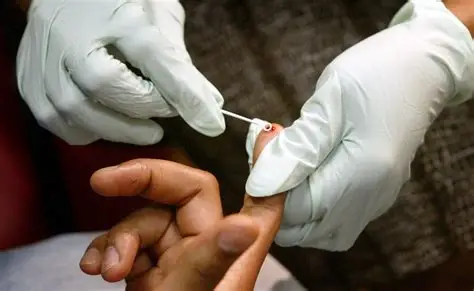
The key takeaway is that symptoms alone cannot confirm HIV. Some people can live for years without symptoms, while others may show signs early. The only sure way to know your status is through testing. Early testing and treatment with antiretroviral therapy (ART) can help people with HIV live long, healthy lives and prevent transmission to others.
So if you’ve ever been at risk or are unsure, don’t wait for symptoms. Get tested early, get tested regularly, and take charge of your health.