
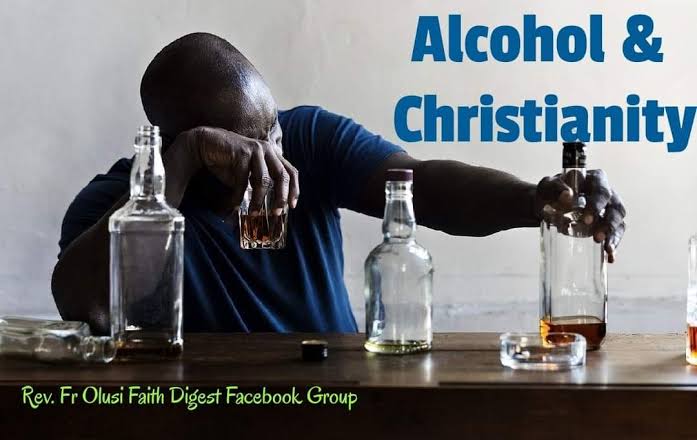
Many people believe that drinking alcohol is automatically a sin according to the Bible. However, when we examine the scriptures carefully, we discover that the Bible does not completely forbid the consumption of alcohol. In fact, there are several passages where wine is mentioned positively, and some biblical figures drank it.
This does not mean that the Bible encourages drunkenness or excessive drinking. Rather, it makes an important distinction between drinking alcohol and becoming drunk.
Here are some Bible verses that help explain what the scriptures say about alcohol.
1. Jesus Turned Water Into Wine
John 2:1-11
One of the most well-known biblical accounts involving alcohol is the wedding at Cana. During the celebration, the wine ran out, and Jesus performed His first recorded miracle by turning water into wine.
John 2:9-10 explains that the master of the banquet tasted the water that had been turned into wine and commented that the good wine had been kept until then.
This passage shows that Jesus did not treat the mere presence or consumption of wine as something automatically sinful.
### 2. The Bible Says Wine Can Gladden the Heart
**Psalm 104:14-15**
The Bible says that God provides food from the earth, including wine that gladdens the human heart, oil that makes the face shine, and bread that strengthens the heart.
This passage mentions wine among God’s provisions for human enjoyment and nourishment. It is one of the scriptures people often refer to when discussing whether drinking alcohol is permitted.
### 3. The Bible Advises Timothy to Take a Little Wine
**1 Timothy 5:23**
Paul advised Timothy:
“Drink no longer water, but use a little wine for thy stomach’s sake and thine often infirmities.”
This verse is particularly interesting because Paul specifically advised Timothy to use a little wine for his stomach problems and frequent illnesses.
It demonstrates that the Bible does not establish a blanket prohibition against consuming wine.
### 4. Jesus Was Accused of Being a Drunkard Because He Ate and Drank
**Matthew 11:18-19**
Jesus referred to how people criticised both John the Baptist and Himself. John was criticised for his strict lifestyle, while Jesus was accused of being a glutton and a wine drinker because He ate and drank with people.
The accusation does not mean Jesus was actually a drunkard. Rather, it shows that He participated in ordinary meals and social gatherings where food and wine were present.
### 5. The Bible Warns Against Drunkenness, Not Simply Drinking
**Ephesians 5:18**
The scripture says:
“And be not drunk with wine, wherein is excess; but be filled with the Spirit.”
This is one of the clearest biblical instructions concerning alcohol. The Bible specifically warns against drunkenness and excessive drinking.
The concern is losing self-control and allowing alcohol to influence one’s behaviour negatively.
### 6. The Bible Says Alcohol Can Be Dangerous When Abused
**Proverbs 20:1**
“Wine is a mocker, strong drink is raging: and whosoever is deceived thereby is not wise.”
This verse warns that alcohol can deceive a person and lead to foolish decisions. It reminds people that drinking without self-control can have serious consequences.
### 7. The Bible Condemns Excessive Drinking
**Galatians 5:19-21**
In this passage, drunkenness and revelling are listed among the works of the flesh.
The message is that Christians should avoid behaviour that demonstrates a lack of self-control and leads them away from a godly lifestyle.
### What Does This Mean for Christians?
Based on these scriptures, it is not accurate to claim that the Bible explicitly prohibits every form of alcohol consumption. Wine appears in several biblical passages, and Jesus Himself turned water into wine.
However, the Bible strongly warns against drunkenness, addiction, excessive drinking and behaviour that causes harm to oneself or others.
Christians should also remember that alcohol affects people differently. Anyone who struggles with controlling their drinking, has a medical reason to avoid alcohol, or is recovering from alcohol dependence should abstain.
**Conclusion**
The Bible makes an important distinction between drinking alcohol and getting drunk. While it does not universally forbid the consumption of wine, it clearly teaches moderation, wisdom and self-control.
Therefore, rather than using the Bible to justify excessive drinking, Christians should understand the full message of scripture and exercise responsibility in their choices.