
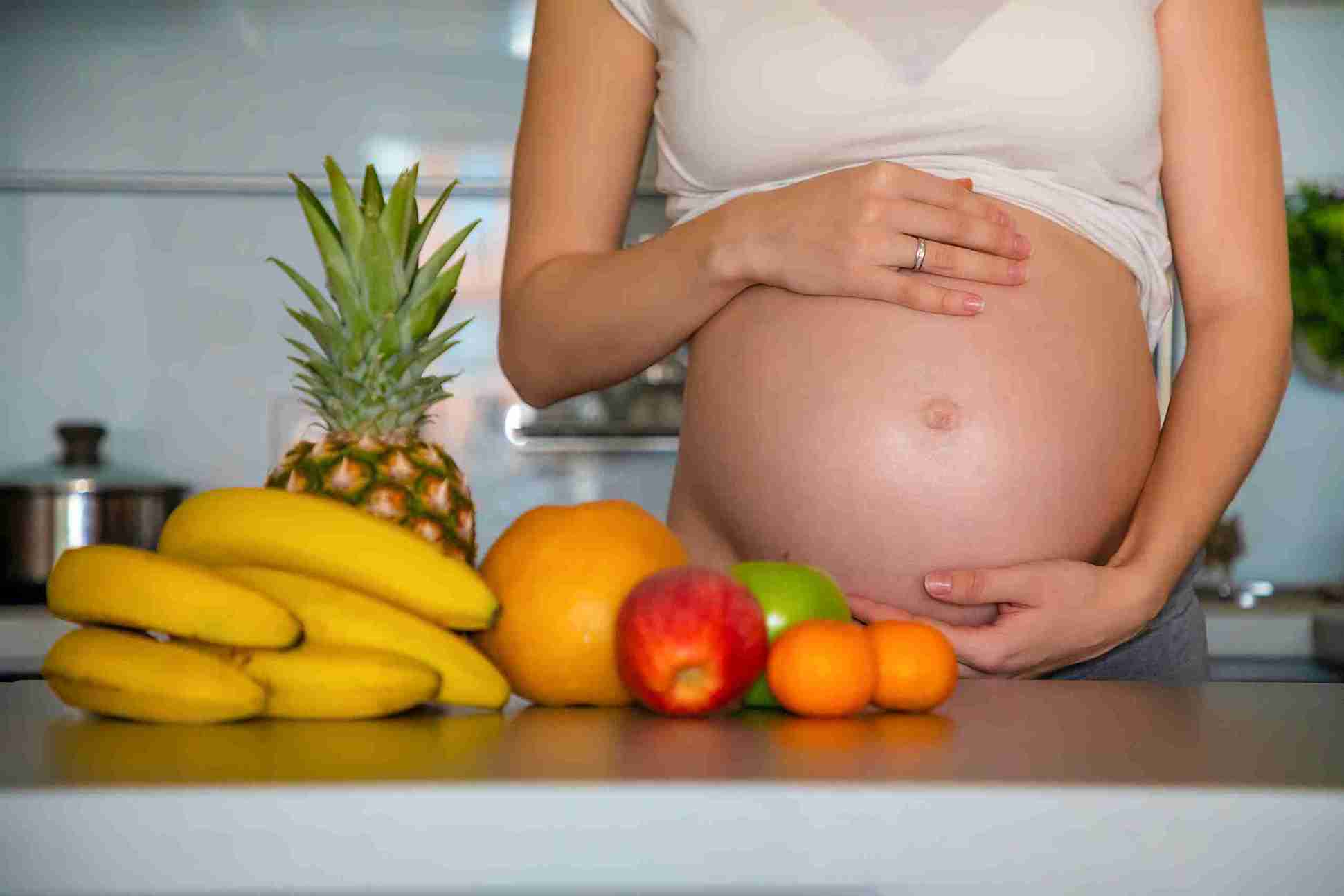
Pregnancy is an important stage in a woman’s life, but it also comes with several health considerations, particularly when it comes to diet and nutrition. Expectant mothers are often advised to pay close attention to what they eat because their nutritional choices can affect both their health and the development of their unborn babies.
While fruits are generally considered healthy because they provide essential vitamins, minerals and fibre, some foods require additional precautions during pregnancy. Health experts recommend that pregnant women maintain a balanced diet and seek medical advice before making significant dietary changes.
One food category that requires attention is canned fruits and vegetables. Some canned products contain high amounts of added salt, sugar and preservatives. Poorly processed or improperly stored canned foods may also carry food safety risks. Pregnant women are therefore encouraged to check product labels, observe expiry dates and choose properly processed alternatives.
Pineapple is another fruit frequently discussed in pregnancy-related dietary warnings. It contains bromelain, an enzyme that has raised concerns about its possible effects on pregnancy. However, there is no strong scientific evidence that eating normal quantities of fresh pineapple causes miscarriage or premature labour. Nevertheless, moderation is advisable.
Papaya, particularly unripe or semi-ripe varieties, is another fruit that pregnant women are often advised to avoid. Unripe papaya contains latex, which has raised concerns because of its potential effects on uterine contractions. Ripe papaya, however, is generally considered safe when eaten in normal food quantities.
Bananas are also mentioned in some dietary warnings, but they are generally safe and nutritious during pregnancy. However, women with diabetes or gestational diabetes should monitor their carbohydrate intake and follow their healthcare provider’s dietary recommendations.
Ultimately, pregnant women should avoid relying on unverified food warnings. Maintaining a balanced diet, practising proper food hygiene and consulting qualified healthcare professionals remain essential for a healthy pregnancy.