
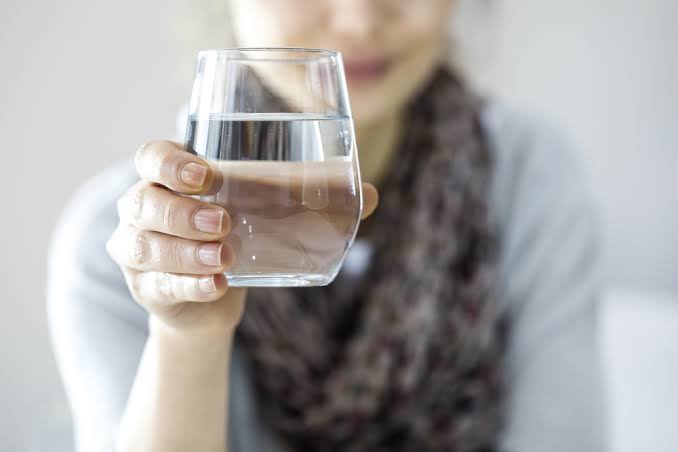
High blood pressure (hypertension) is a health condition that can increase the risk of heart disease, stroke, and kidney problems. While medications and lifestyle changes are often recommended, something as simple as drinking enough water can also help regulate blood pressure.
Here’s how much water you should drink daily to support healthy blood pressure levels:
1. Follow the General Guideline
Experts recommend about 8 glasses (2 liters) of water per day for adults.
This amount keeps the body hydrated, supports proper blood circulation, and helps maintain a healthy balance of sodium levels in the blood.
2. Consider Your Body Weight
A simple formula: Drink 30–35 ml of water per kilogram of body weight.
Example: If you weigh 70 kg, you should drink between 2.1–2.4 liters of water daily.
3. Drink More If You Exercise or Live in Hot Climates
Physical activity and hot weather increase water loss through sweat.
In such cases, aim for an additional 500–1000 ml of water per day.
4. Spread It Throughout the Day
Drinking water slowly and consistently is better than taking large amounts at once.
This helps regulate blood pressure without overloading the kidneys.
5. Replace Sugary and Salty Drinks
Soft drinks, energy drinks, and too much coffee can increase blood pressure.
Replacing them with plain water or infused water (lemon, cucumber, or mint) helps improve hydration naturally.
6. Watch Out for Overhydration
Drinking excessive amounts (above 5 liters daily without medical advice) may strain the kidneys and affect electrolyte balance.
Stick to recommended amounts unless your doctor advises otherwise.
Key Point: Staying hydrated with about 2–3 liters of water daily (depending on your weight, lifestyle, and environment) can help lower blood pressure naturally by keeping blood vessels flexible, flushing out excess sodium, and improving heart health.