
Maintaining healthy blood sugar levels is essential for overall health and well-being. One of the best ways to support normal blood sugar levels is by eating a balanced diet, staying physically active, and making healthy lifestyle choices.
Certain nutrients play important roles in how the body regulates blood sugar, and magnesium is one of them. Magnesium helps the body use insulin effectively and supports several processes involved in glucose metabolism. Getting enough magnesium through your diet may therefore contribute to better blood sugar management.
People with diabetes or those at risk of developing type 2 diabetes can benefit from including magnesium-rich foods in their meals. However, no single food can prevent or cure diabetes, and people with diabetes should continue following their prescribed treatment plans.
Below are five magnesium-rich foods you can regularly include in your diet to support healthy blood sugar levels.
## 1. Eat More Whole Grains
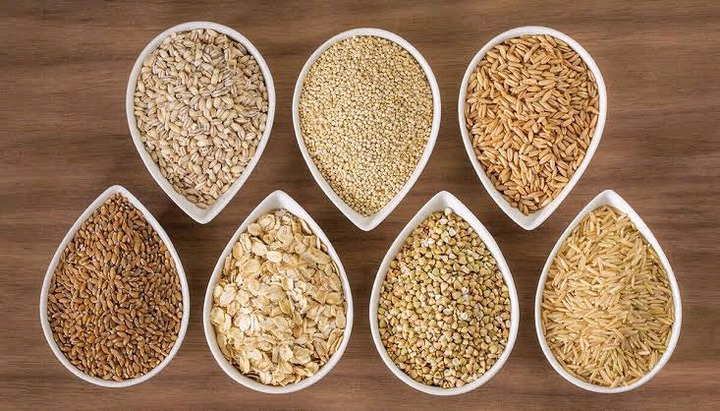
Whole grains are among the foods that can contribute to better blood sugar management. Examples include brown rice, oats, whole wheat, millet, and unprocessed maize.
These foods contain magnesium, dietary fibre, and other essential nutrients that support overall health. Their fibre content helps slow down digestion and the absorption of carbohydrates, which may reduce sudden increases in blood sugar after meals.
Research has also associated regular consumption of whole grains with a lower risk of developing type 2 diabetes and certain cardiovascular diseases.
If you are trying to manage your blood sugar, consider replacing refined grains with whole-grain alternatives whenever possible.
## 2. Eat Legumes Regularly
Legumes are another excellent source of magnesium and dietary fibre. They include beans, lentils, chickpeas, and other varieties of pulses.
These foods are particularly beneficial because they contain a combination of fibre, plant-based protein, and complex carbohydrates. This combination helps slow the digestion and absorption of carbohydrates, supporting more stable blood sugar levels.
Legumes also generally have a low glycaemic index, meaning they tend to raise blood sugar more slowly than many refined carbohydrate foods.
Adding beans, lentils, and other legumes to your regular meals can therefore be a nutritious way to support blood sugar management.
## 3. Include Avocados in Your Diet
Avocados are nutritious fruits that contain magnesium, fibre, vitamins, and healthy fats.
Their combination of fibre and healthy fats makes them a good addition to a balanced diet, particularly for people who want to manage their blood sugar levels.
Unlike many carbohydrate-rich foods, avocados contain very little sugar. Their healthy fats and fibre can also help promote fullness and support overall metabolic health.
Regularly including moderate portions of avocado in your meals may contribute to a healthier eating pattern and better blood sugar management.
## 4. Consume Peanut Butter in Moderation
Peanut butter is another food that provides magnesium, healthy fats, protein, and some dietary fibre.
When consumed in moderation, peanut butter can be part of a balanced diet for people who want to maintain healthy blood sugar levels.
Its combination of protein and healthy fats may help slow the absorption of carbohydrates when eaten alongside carbohydrate-rich foods. This can help reduce sudden blood sugar spikes after meals.
However, it is important to choose natural peanut butter without added sugar or excessive salt. Always check the ingredients before purchasing, as some commercial varieties contain added ingredients that may reduce their nutritional benefits.
## 5. Eat Green Leafy Vegetables Regularly
Green leafy vegetables are among the healthiest foods you can add to your daily diet. Examples include spinach, ugu (fluted pumpkin leaves), kale, and other dark green vegetables.
These vegetables provide magnesium, fibre, vitamins, minerals, and antioxidants that support several important functions in the body.
Their low carbohydrate content and high nutritional value make them particularly useful for people managing their blood sugar levels.
Research has also linked diets rich in green leafy vegetables with a reduced risk of developing type 2 diabetes.
You can include these vegetables in soups, salads, and other meals to improve your overall nutritional intake.
## Conclusion
Magnesium plays an important role in insulin function and glucose metabolism. Including magnesium-rich foods such as whole grains, legumes, avocados, peanut butter, and green leafy vegetables in your regular diet can help support healthy blood sugar levels.
However, eating these foods alone will not cure or prevent diabetes. Maintaining a healthy weight, exercising regularly, limiting sugary drinks, and eating balanced meals are also important.
If you have diabetes, continue monitoring your blood sugar and following your healthcare professional’s advice. A healthy diet works best when combined with appropriate medical care and consistent lifestyle changes.