
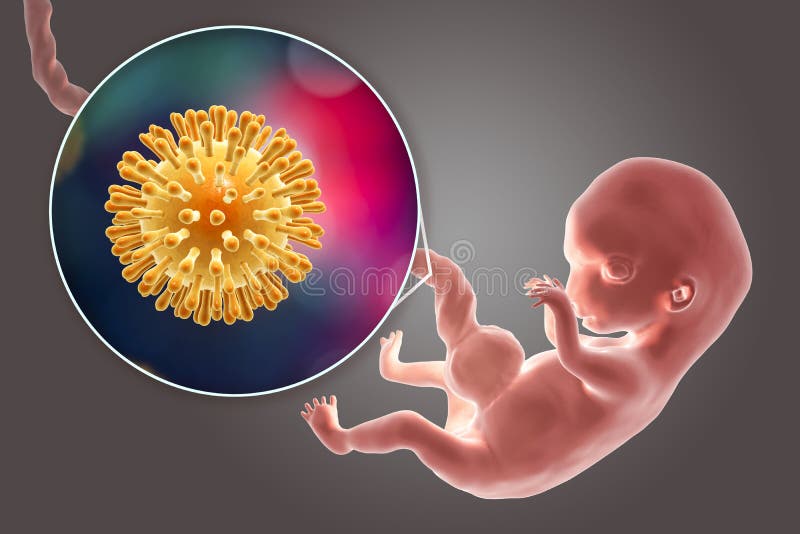
HIV can be passed from a parent to a child during pregnancy, delivery, or breastfeeding. This is called mother-to-child transmission (MTCT), and it is one of the main ways infants become infected. Understanding the risk factors can help reduce transmission and protect the child’s health.
1. High Maternal Viral Load
If the mother has a high level of HIV in her blood, the chances of passing it to the infant increase significantly. Effective treatment to suppress the virus lowers this risk.
2. Lack of Antiretroviral Therapy (ART)
Not taking HIV medications during pregnancy, delivery, or breastfeeding increases the chances of transmission. ART helps reduce the virus to undetectable levels.
3. Breastfeeding Practices
Exclusive breastfeeding is safer than mixed feeding (breast milk plus formula or solid food). Mixed feeding can damage the infant’s gut lining, making it easier for HIV to enter.
4. Mode of Delivery
Vaginal delivery can pose a higher risk compared to planned cesarean section (C-section) in mothers with high viral loads. Proper medical guidance helps in choosing the safest delivery method.
5. Maternal Health Conditions
Other infections such as tuberculosis, malaria, or sexually transmitted infections (STIs) can weaken the immune system and increase the risk of HIV transmission to the baby.
6. Prolonged Rupture of Membranes
If the mother’s water breaks long before delivery, the baby stays exposed to maternal fluids longer, raising the chances of HIV transmission.
7. Premature Birth
Preterm babies have weaker immune systems and thinner gut linings, making it easier for HIV to pass from mother to child.
8. Lack of Infant Prophylaxis
If the newborn does not receive preventive HIV medication after birth, the risk of infection is higher. Giving the baby antiretroviral drugs within hours of delivery reduces this risk significantly.
Key Point: With proper medical care, HIV-positive mothers can give birth to HIV-negative babies. Awareness and timely intervention are the strongest weapons against mother-to-child transmission.