
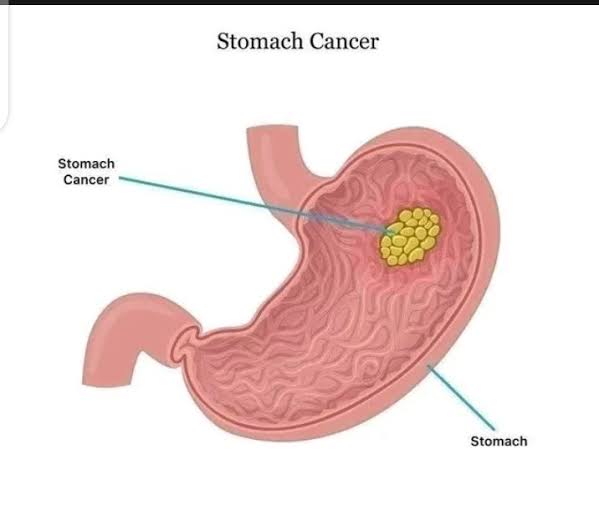
Stomach cancer is one of the serious diseases that can affect a person’s digestive system. It often develops slowly, and in its early stages, many people may not notice obvious symptoms. This is one reason why understanding the risk factors and adopting healthier eating habits are important.
Although no particular food can guarantee that someone will develop stomach cancer, research has linked certain dietary habits and foods with an increased risk of the disease. Paying attention to what you eat regularly may help protect your digestive health and reduce some preventable cancer risks.
Here are three things you should limit or avoid if you want to maintain a healthier stomach.
**1. Processed Meats Such As Sausages, Bacon And Ham**
Processed meats are among the foods that deserve attention when discussing cancer prevention. Examples include sausages, bacon, ham, hot dogs and other meats that have been preserved through smoking, salting, curing or the addition of preservatives.
Some processed meats contain nitrates and nitrites, which can contribute to the formation of compounds called N-nitroso compounds under certain conditions. Some of these compounds have cancer-causing properties.
Regular consumption of processed meat has been associated with an increased risk of certain cancers, including stomach cancer.
Instead of making processed meat a regular part of your diet, consider healthier protein sources such as fresh fish, beans, eggs and unprocessed poultry.
**2. Foods With Too Much Salt**
Eating excessive amounts of salt regularly may increase the risk of stomach cancer. Foods that contain very high levels of salt can damage the stomach lining and may make it more vulnerable to harmful substances.
Examples include heavily salted fish, excessively salted meat, very salty snacks, pickled foods and meals prepared with large quantities of salt.
High salt intake may also worsen the effects of Helicobacter pylori (H. pylori), a bacterium associated with stomach inflammation, ulcers and an increased risk of stomach cancer.
You do not have to eliminate salt completely from your diet because the body needs some sodium to function properly. However, reducing excessive salt consumption is a sensible way to protect your health.
Try using natural spices, onions, garlic and other herbs to improve the flavour of your meals without adding too much salt.
**3. Smoked And Heavily Preserved Foods**
Smoked foods are another category worth limiting, particularly when they are consumed frequently. Some traditionally smoked and heavily preserved foods may contain harmful chemical compounds known as polycyclic aromatic hydrocarbons (PAHs).
These substances can form when food is exposed to smoke during certain preservation and cooking processes.
Regular consumption of heavily smoked, salted and preserved foods has been associated with a higher risk of stomach cancer in some populations.
Examples include heavily smoked fish, smoked meat and certain preserved foods.
Rather than depending on heavily smoked foods every day, try including fresh fish, vegetables, fruits and other minimally processed foods in your meals.
**Other Important Ways To Reduce Your Risk Of Stomach Cancer**
Apart from paying attention to your diet, there are other important steps that may help reduce your risk of developing stomach cancer.
– **Get tested for H. pylori when appropriate:** This bacterial infection is an important risk factor for stomach cancer. Testing and treatment can help reduce the risk in infected individuals.
– **Eat more fruits and vegetables:** They provide vitamins, minerals and other beneficial compounds that support overall health.
– **Avoid smoking:** Tobacco use increases the risk of stomach cancer and several other serious diseases.
– **Limit alcohol consumption:** Heavy alcohol consumption can increase the risk of several cancers.
– **Maintain a healthy weight:** A healthy lifestyle supports overall digestive and metabolic health.
– **Seek medical attention for persistent symptoms:** Ongoing stomach pain, unexplained weight loss, difficulty swallowing, persistent vomiting or blood in the stool should not be ignored.
**Conclusion**
Stomach cancer is a serious disease, but making healthier lifestyle choices can help reduce some of its risk factors. Limiting processed meats, reducing excessive salt consumption and avoiding frequent intake of heavily smoked and preserved foods are sensible steps towards better health.
However, remember that avoiding these three food categories does not guarantee protection against stomach cancer. Other factors, including genetics, age and H. pylori infection, can also contribute to the disease.
Your health is important, so pay attention to what you eat, maintain a balanced diet and seek medical advice whenever you notice unusual or persistent digestive symptoms.