
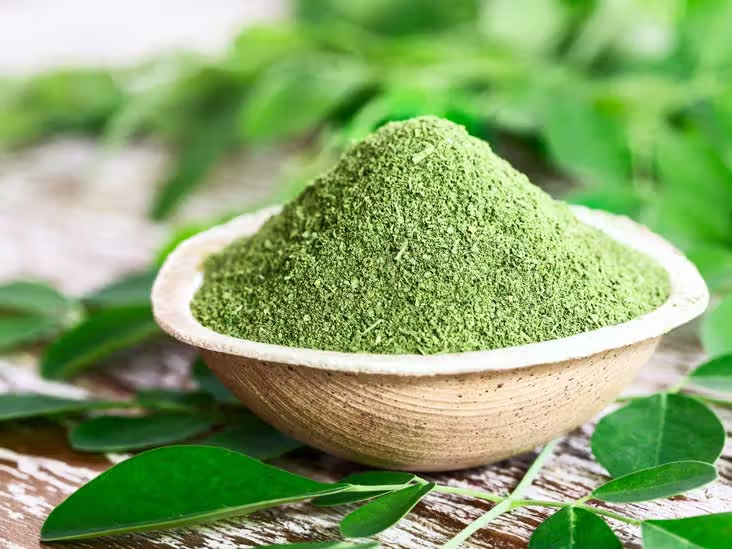
Moringa is one of the most widely used medicinal and nutritional plants in different parts of the world, including Nigeria. Often called the miracle tree, moringa has gained popularity because of its nutritional value and the numerous health benefits researchers are investigating.
Its leaves are rich in vitamins, minerals, antioxidants and other plant compounds that may help support overall health. Many people consume moringa as a vegetable, add its powdered leaves to smoothies, or prepare it as tea. Others take it in capsules and herbal supplements.
Traditionally, moringa has been used to support blood sugar control, improve digestion, manage cholesterol and strengthen the body’s natural defences. However, although scientific research has identified several promising properties, not all the health claims surrounding this plant have been proven in humans.
It is also important to understand that consuming moringa in large quantities or taking concentrated supplements without proper guidance may carry certain risks.
Here are some potential health benefits of moringa, its possible side effects and important safety warnings you should know.
## 1. Moringa Contains Important Vitamins and Minerals
One of the reasons moringa is considered a nutritious plant is its impressive nutritional composition.
Moringa leaves contain vitamins A, C and E, calcium, potassium, iron and other essential nutrients. They also provide plant-based protein and various beneficial compounds.
These nutrients perform different functions in the body. For example, vitamin C supports the immune system and helps the body absorb iron, while vitamin A contributes to healthy vision and normal immune function.
Calcium is important for strong bones and teeth, while iron helps the body produce haemoglobin, which carries oxygen through the blood.
Including properly prepared moringa leaves in a balanced diet can therefore contribute to your daily nutrient intake.
However, moringa should not be regarded as a complete replacement for a balanced diet.
## 2. It May Help Support Healthy Blood Sugar Levels
Another potential benefit of moringa is its possible effect on blood sugar.
Some scientific studies suggest that compounds found in moringa leaves may influence how the body processes glucose. Researchers have investigated whether these compounds could help improve insulin activity and reduce elevated blood sugar levels.
Small human studies have reported possible improvements in blood glucose measurements after consuming moringa preparations.
This has attracted interest among people living with diabetes and those trying to maintain healthy blood sugar levels.
However, the available human evidence remains limited, and researchers have not established that moringa can reliably control diabetes.
People with diabetes should not stop taking prescribed medication or replace their treatment with moringa powder or tea.
## 3. Moringa Contains Antioxidants That Help Protect Cells
Moringa leaves contain antioxidants, including flavonoids and phenolic compounds.
Antioxidants help protect the body’s cells against oxidative stress, a process associated with the accumulation of unstable molecules called free radicals.
When oxidative stress becomes excessive, it can contribute to cellular damage and is associated with several chronic health conditions.
Moringa contains plant compounds such as quercetin and chlorogenic acid, which have demonstrated antioxidant properties in laboratory studies.
Eating antioxidant-rich foods, including vegetables, fruits and properly prepared moringa leaves, can form part of a healthy diet.
However, having antioxidants does not mean moringa can prevent or cure cancer, heart disease or other serious illnesses.
## 4. It May Help Maintain Healthy Cholesterol Levels
High cholesterol is a major risk factor for cardiovascular disease because excessive levels of certain blood fats can contribute to the development of fatty deposits in the arteries.
Some animal studies and small human trials suggest that moringa may help improve cholesterol levels.
Researchers believe certain plant compounds in moringa could influence fat metabolism and help reduce levels of harmful blood fats.
Although these findings are promising, there is not enough reliable human evidence to establish moringa as an effective cholesterol-lowering treatment.
People with high cholesterol should continue following their healthcare provider’s recommendations, including prescribed medication, dietary changes and physical activity.
## 5. Moringa May Support a Healthy Inflammatory Response
Inflammation is part of the body’s natural defence system. It helps the body respond to infections and injuries.
However, prolonged or excessive inflammation can contribute to different health problems.
Moringa contains several plant compounds that have demonstrated anti-inflammatory properties in laboratory and animal studies.
These compounds may influence certain biological processes involved in inflammation.
This is one reason researchers are interested in the potential role of moringa in supporting overall health.
Nevertheless, more human research is needed before moringa can be recommended for treating inflammatory conditions such as arthritis.
## 6. It May Contribute to Healthy Digestion
Moringa leaves contain dietary fibre, which plays an important role in digestive health.
Fibre helps support normal bowel movements and contributes to healthy intestinal function.
Eating fibre-rich foods can also help reduce constipation and support the beneficial bacteria living in the digestive system.
Moringa leaves can therefore contribute to a fibre-rich diet when eaten as part of balanced meals.
However, moringa should not be considered a treatment for serious digestive conditions.
## 7. Moringa May Support Immune Function
The immune system protects the body against harmful microorganisms and other potential threats.
Moringa contains nutrients such as vitamins A and C, which contribute to normal immune function.
It also contains various plant compounds that researchers have investigated for their antioxidant and immune-modulating properties.
Including moringa leaves in your diet may help increase your intake of nutrients that support normal immune health.
However, there is insufficient clinical evidence to claim that moringa prevents infections or directly strengthens immunity beyond what a balanced diet can achieve.
## 8. It May Help Support Healthy Blood Pressure
Some studies suggest that moringa contains compounds that may influence blood vessel function and blood pressure regulation.
For example, certain plant compounds found in moringa have demonstrated potential effects on blood vessel relaxation in experimental studies.
This has encouraged researchers to investigate whether moringa could have a role in supporting cardiovascular health.
However, the evidence in humans is still insufficient to establish a reliable blood-pressure-lowering effect.
People taking medication for hypertension should be particularly careful about adding concentrated moringa supplements to their routine without consulting a healthcare professional.
## Possible Side Effects of Moringa You Should Know
Although moringa leaves are commonly consumed as food, taking concentrated supplements or excessive quantities may not be suitable for everyone.
Here are some potential side effects and safety concerns.
### 1. It May Cause Digestive Discomfort
Some people may experience digestive discomfort after consuming moringa, particularly when taking large quantities of powdered leaves or concentrated supplements.
Possible symptoms include:
– Stomach discomfort.
– Nausea.
– Diarrhoea.
– Abdominal cramps.
If you experience these symptoms after consuming moringa, stop taking the supplement and seek medical advice if the symptoms persist.
### 2. It May Affect Blood Sugar Levels
Moringa has demonstrated potential blood sugar-lowering effects in some studies.
Although this may sound beneficial, it could become a concern for people who already take medication to manage diabetes.
Combining moringa supplements with diabetes medication may potentially increase the risk of low blood sugar.
Symptoms of low blood sugar can include sweating, shaking, dizziness, hunger, confusion and weakness.
People taking insulin or other glucose-lowering medications should speak with their healthcare providers before using concentrated moringa products.
### 3. It May Interact With Certain Medications
Natural products are not automatically safe to combine with prescription medicines.
Research suggests that moringa extracts may influence certain enzymes involved in how the body processes medications.
For example, laboratory studies have identified possible interactions involving the CYP3A4 enzyme. However, the importance of these interactions in humans is not yet fully established.
This means people taking regular prescription medications should consult a doctor or pharmacist before using moringa supplements.
### 4. It May Cause Allergic Reactions
Although uncommon, allergic reactions to moringa have been reported.
Some people may develop skin reactions, swelling or other symptoms after consuming moringa leaves or products containing the plant.
Severe allergic reactions can cause difficulty breathing, swelling of the face or throat and dizziness.
Anyone experiencing these symptoms should seek emergency medical attention immediately.
### 5. There Is a Possible Risk of Liver Injury
Moringa is generally well tolerated in the small human studies available, but researchers have documented a rare case of suspected liver injury associated with its use.
This does not mean moringa commonly damages the liver. However, it shows why concentrated herbal supplements should not be treated as completely harmless.
Stop using a supplement and seek medical attention if you develop unusual symptoms such as yellowing of the eyes or skin, dark urine, persistent nausea or unexplained abdominal pain.
## Important Safety Warnings: Who Should Avoid Moringa?
Although moringa leaves are commonly eaten as food, certain people should exercise additional caution, particularly when considering supplements.
**1. Pregnant women:** Women who are pregnant should avoid medicinal moringa preparations and concentrated supplements unless specifically advised by a qualified healthcare professional. Some laboratory and animal studies have raised concerns about possible reproductive effects, and safety during pregnancy has not been adequately established.
**2. Breastfeeding mothers:** Although moringa leaves have traditionally been used to support breast milk production, the evidence is mixed. Some small studies suggest a possible increase in milk production, but the long-term effects on babies are not sufficiently established. Speak with a healthcare professional before using moringa supplements while breastfeeding.
**3. People taking diabetes medication:** Moringa may influence blood glucose levels. Combining it with diabetes medication could potentially affect blood sugar control.
**4. People taking blood pressure medication:** Because of its possible effects on blood pressure, people taking hypertension medication should seek medical advice before using concentrated moringa supplements.
**5. People taking prescription medications:** Moringa may interact with certain medicines, although the clinical significance of many suspected interactions remains uncertain.
**6. People with existing liver problems:** Anyone with liver disease should consult a healthcare professional before taking concentrated herbal supplements, including moringa.
## What Is the Safest Way to Consume Moringa?
Moringa can be consumed in different forms, including fresh leaves, dried leaves, powdered leaves, tea and capsules.
For most healthy adults, properly washed and cooked moringa leaves used as part of ordinary meals are a reasonable way to enjoy the plant’s nutritional benefits.
If you prefer moringa powder, choose a reputable product with clear ingredient information and appropriate quality testing.
Avoid products that make exaggerated claims about curing diabetes, cancer, kidney disease or other serious illnesses.
There is currently no universally established medicinal dose of moringa because research studies have used different preparations and quantities.
It is therefore unwise to assume that taking larger amounts will produce better health benefits.
## Final Thoughts
Moringa is a nutritious plant that offers several potentially beneficial nutrients and plant compounds. Research suggests that it may have antioxidant, anti-inflammatory, blood sugar-regulating and cholesterol-related properties.
However, many of these benefits are still being investigated, and the available human evidence is not strong enough to recommend moringa as a treatment for specific diseases.
While properly prepared moringa leaves can be included in a balanced diet, concentrated supplements require greater caution, especially among pregnant women, breastfeeding mothers and people taking prescription medications.
Remember that natural does not always mean completely safe. The best approach is to enjoy moringa responsibly, avoid excessive consumption and seek professional medical advice before using it to manage a health condition.