
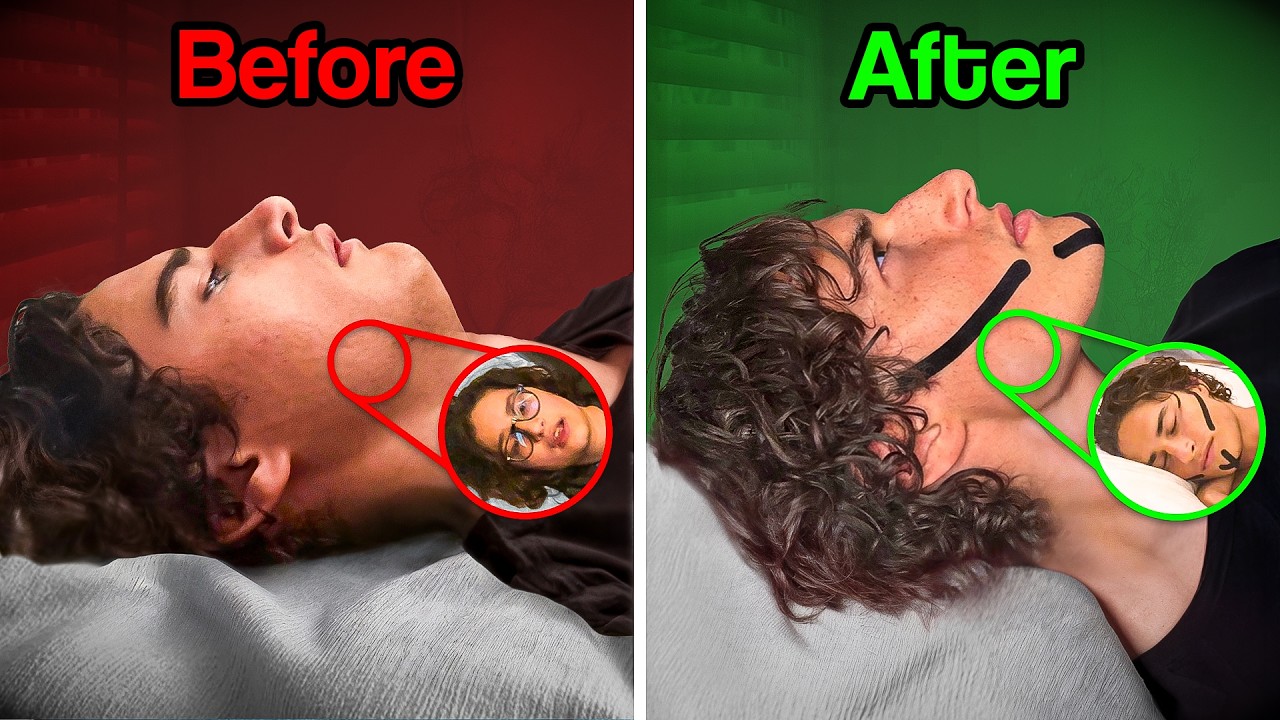
Have you ever wondered what happens to your face while you are fast asleep? Although sleep may seem like a time when your body does very little, several important processes continue throughout the night. Your skin releases small amounts of oil, your eyes may produce tears, and saliva can sometimes escape from your mouth onto your pillow.
These are generally normal bodily processes. Understanding them can help you distinguish everyday changes from symptoms that may need medical attention.
1. Oil From Your Skin
Your skin contains sebaceous glands that produce sebum, an oily substance that helps keep it moisturised and protects its surface.
These glands continue working while you sleep, although oil production varies depending on your hormones, age and skin type. If you wake up with a shiny face, particularly around your forehead, nose and chin, natural oil production may be the reason.
Excess oil can contribute to clogged pores and acne in some people. Washing your face gently before bed and using suitable skincare products may help manage oily skin.
2. Sweat During the Night
Your body continues regulating its temperature while you sleep. If your bedroom is warm, your bedding is heavy or you are naturally prone to sweating, you may wake up with a damp face.
Occasional night sweating is usually harmless. However, repeated episodes of heavy sweating that soak your clothes or bedding, especially when accompanied by fever or unexplained weight loss, deserve medical attention.
3. Tears Around Your Eyes
Your eyes need moisture to remain comfortable and healthy. Tears help lubricate the eye surface and protect it from irritation.
Although tear production changes during sleep, some people notice moisture around their eyes when they wake up. Crusting or discharge can also occur, but persistent redness, pain, swelling or thick discharge should be checked by a healthcare professional.
4. Saliva From Your Mouth
Have you ever woken up to discover a wet patch on your pillow? This may happen because your body continues producing saliva during sleep, even though you swallow less frequently.
Sleeping on your side, breathing through your mouth or having a blocked nose can make drooling more likely. Occasional drooling is common, but persistent excessive drooling or difficulty swallowing should be medically assessed.
5. Dead Skin Cells
Your skin naturally sheds dead cells as part of its renewal process. This happens throughout the day and night, even though you may not notice it.
Gentle cleansing and moisturising can help maintain your skin’s protective barrier. Avoid aggressive scrubbing, which may cause irritation rather than improve your skin.
How to Care for Your Face Before Bed
A simple nighttime routine can make a difference. Gently wash your face, remove makeup, use a suitable moisturiser and keep your pillowcase clean. Avoid harsh products that leave your skin feeling painfully dry or irritated.
The bottom line: Your face does not stop functioning when you fall asleep. Natural skin oil, sweat, tears, saliva and shed skin cells are all part of normal bodily processes. Most are nothing to worry about, but persistent or unusual changes should not be ignored.