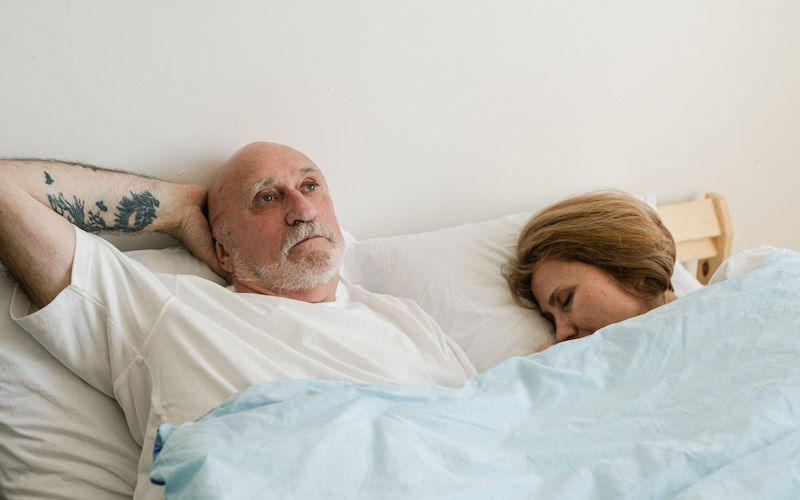
Have you ever noticed that in many marriages, the husband passes away before the wife? Although this does not happen in every marriage, statistics from many countries show that women generally live longer than men. This has led many people to wonder why husbands often die first in marriage.
There are several possible explanations, and they have a lot to do with biology, lifestyle, health habits and the way men and women respond to stress.
1. Women Generally Have a Longer Life Expectancy
One of the biggest reasons husbands often die before their wives is that women tend to live longer than men. This difference is observed in many parts of the world.
Biological factors, including hormonal differences and the effects of sex chromosomes on health, may contribute to women’s longevity. Estrogen, for example, may offer some protection against certain cardiovascular problems before menopause.
However, hormones are only part of the explanation. Genetics, lifestyle and access to healthcare also play important roles.
**2. Men Are More Likely to Ignore Health Problems**
Another reason is that many men do not pay enough attention to their health. Some men avoid medical check-ups unless they are seriously ill.
They may ignore persistent headaches, chest discomfort, unusual tiredness, difficulty breathing or other warning signs because they believe they can manage the problem themselves.
Unfortunately, some health conditions become more dangerous when diagnosis and treatment are delayed. Women, on average, are more likely to seek preventive healthcare, although this varies across individuals and communities.
**3. Men Are More Exposed to Dangerous Activities**
In many societies, men are more likely to work in physically dangerous occupations, including construction, mining, transportation and other jobs involving heavy machinery.
Men also account for a higher proportion of workplace fatalities in many countries.
In addition, men are more likely to engage in certain risky behaviours, such as dangerous driving, excessive alcohol consumption and smoking. Over time, these activities can increase the risk of serious injuries, heart disease, cancer and other life-threatening conditions.
**4. Men Experience Higher Rates of Certain Health Conditions**
Men have higher death rates from several major causes, including heart disease, certain cancers and injuries.
For example, cardiovascular disease remains a major threat to men’s health. Factors such as high blood pressure, smoking, obesity, physical inactivity and unhealthy diets can increase the risk of heart attacks and strokes.
Although women also experience these conditions, differences in risk factors and the timing of certain health problems contribute to the overall life-expectancy gap.
**5. Men Sometimes Struggle to Express Emotional Problems**
In some cultures, men are raised to believe that they must always appear strong, hide their emotions and handle their problems without seeking help.
As a result, some men may struggle silently with anxiety, depression, financial pressure and other emotional challenges.
When emotional distress goes untreated, it can affect sleep, physical health, relationships and general well-being. Men also have higher suicide death rates than women in many countries.
Seeking emotional support is not a sign of weakness. Talking to a trusted person or qualified professional can make a meaningful difference.
**6. Women Often Maintain Stronger Social Support Networks**
Social relationships can play an important role in how long people live. Research has linked strong social connections with better health and lower risks of premature death.
In many families, women maintain close relationships with friends, relatives and community members. These connections can provide emotional support, companionship and encouragement to seek medical attention when necessary.
Some men, on the other hand, may depend heavily on their wives for emotional support and social interaction. When they become isolated, especially after retirement or the loss of a spouse, their well-being may suffer.
**7. Retirement and Loneliness Can Affect Men’s Health**
For some men, retirement brings major changes in daily routines, social relationships and personal identity.
Men who have built much of their lives around work may struggle when they suddenly have fewer responsibilities and less social interaction.
Loneliness and social isolation can contribute to poor mental and physical health. Maintaining friendships, staying physically active, developing hobbies and remaining connected to family can help protect against these challenges.
### Conclusion
Although husbands sometimes die before their wives, it is not a rule that applies to every marriage. Women generally have a longer life expectancy, and the difference is influenced by biological, social, behavioural and environmental factors.
The important lesson is that men should take their health seriously, attend regular medical check-ups, eat balanced meals, exercise regularly and seek help when something is wrong.
Marriage is not just about spending many years together; it is also about making healthy choices that give both partners the opportunity to enjoy a long and fulfilling life.