
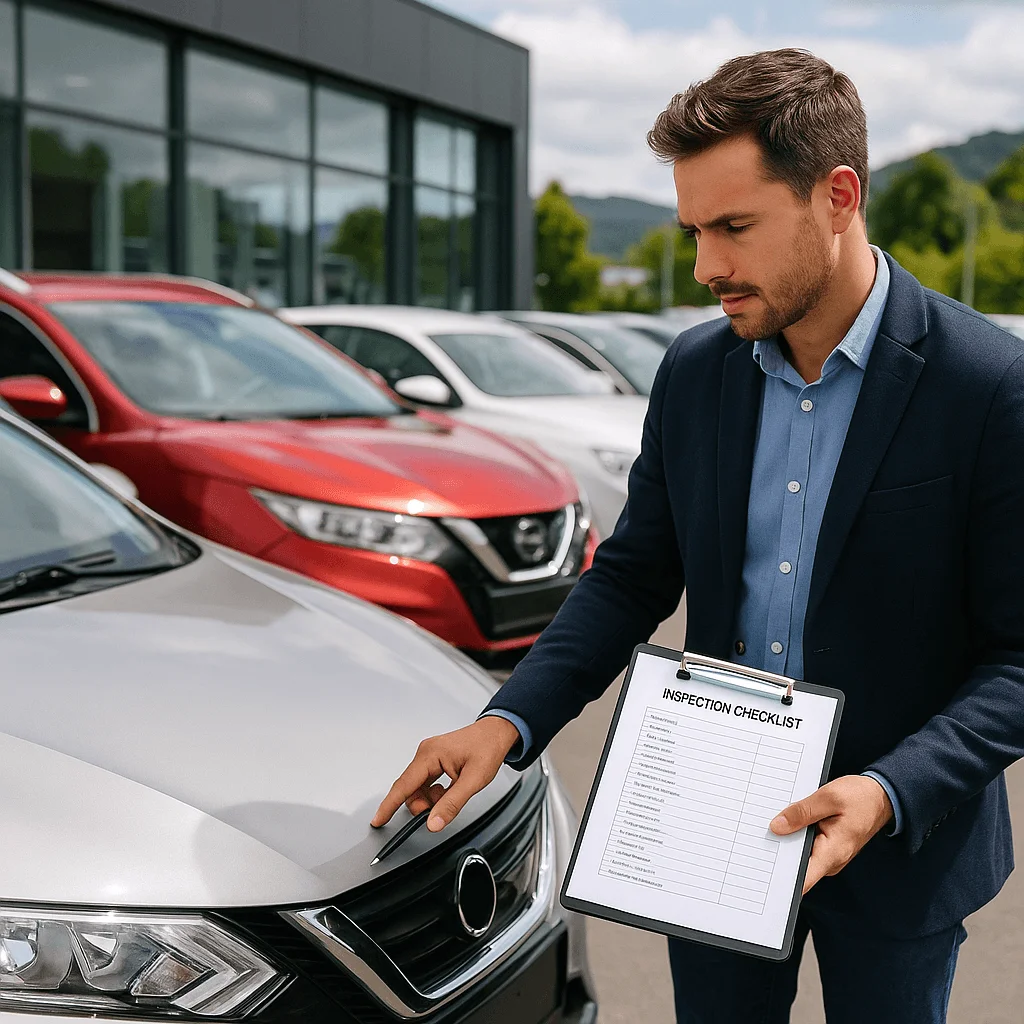
Buying a second-hand car can be a smart financial decision, especially when you cannot afford a brand-new vehicle. However, purchasing a used car without properly inspecting it can lead to serious problems and unexpected expenses.
Many people are attracted to second-hand cars because of their affordable prices and attractive appearance. Unfortunately, some vehicles may have hidden mechanical problems, accident damage, or incomplete documents that buyers only discover after making payment.
Whether you are buying a Toyota, Honda, Lexus, Mercedes-Benz, or any other vehicle, there are certain things you should examine before spending your hard-earned money.
Here are seven important things you should always check before buying a second-hand car.
### 1. Check The Engine Condition
The engine is one of the most important parts of any vehicle. A car may look beautiful on the outside but have serious engine problems that could cost a lot of money to repair.
Before buying a used car, ask the seller to start the engine while it is cold. Listen carefully for unusual knocking, rattling, or ticking sounds.
Also, check whether the engine produces excessive smoke from the exhaust. Persistent blue smoke may indicate that the engine is burning oil, while continuous thick white smoke after the engine has warmed up may suggest an internal engine problem.
Look for oil leaks around the engine and check the condition of the engine oil.
It is advisable to take a trusted mechanic along because some engine problems may not be obvious to an inexperienced buyer.
### 2. Examine The Body For Signs Of Accidents
Some second-hand cars have been involved in serious accidents but are repaired and repainted before being offered for sale.
Although a repaired vehicle is not necessarily bad, poorly repaired accident damage can affect its safety and performance.
Check the car carefully for uneven paint, mismatched body panels, unusual gaps between doors, and signs of welding around structural areas.
Open the bonnet and boot to inspect areas that may have been damaged during an accident.
Also, examine the headlights and bumpers to see whether they fit properly.
If possible, have a professional inspect the vehicle for hidden structural damage before making payment.
### 3. Check The Gearbox And Transmission
A faulty gearbox can be expensive to repair or replace, especially in automatic vehicles.
During a test drive, pay attention to how smoothly the car changes gears.
For automatic cars, the transmission should generally shift without excessive jerking, slipping, or unusual delays.
For manual cars, check whether the clutch operates smoothly and whether the gears engage without grinding.
If the car makes strange noises while changing gears or struggles to accelerate, it may indicate a transmission problem.
Never rely only on the seller’s assurance that the gearbox is working perfectly. Test it yourself and allow a mechanic to inspect it.
### 4. Inspect The Tyres, Brakes, And Suspension
The condition of the tyres, brakes, and suspension can reveal how well the previous owner maintained the vehicle.
Check whether the tyres are worn out, cracked, or unevenly damaged. Uneven tyre wear may indicate alignment or suspension problems.
During a test drive, pay attention to the braking system. The car should stop smoothly without excessive vibration, unusual noises, or pulling strongly to one side.
Also, listen for knocking sounds when driving over bumps or rough roads.
These sounds may indicate worn suspension components.
Replacing damaged tyres, brake parts, and suspension components can significantly increase the total cost of buying the car.
### 5. Verify The Vehicle Documents
Before paying for any second-hand car, make sure its documents are genuine and complete.
In Nigeria, important documents may include proof of ownership, vehicle registration papers, and customs clearance documents where applicable.
Check that the Vehicle Identification Number (VIN), also called the chassis number, matches the number on the vehicle’s documents.
You should also verify the seller’s identity and confirm that the person has the legal right to sell the vehicle.
For imported vehicles, confirm the authenticity of the customs documentation through appropriate official channels.
Buying a vehicle with questionable documents can expose you to legal problems or even the loss of the car.
### 6. Check The Mileage And Service History
Mileage shows how far a vehicle has travelled, but it should not be the only factor used to determine its condition.
A car with high mileage that has been properly maintained may be more reliable than one with low mileage that has been neglected.
Ask the seller for maintenance records, including evidence of regular oil changes, servicing, and major repairs.
Compare the mileage displayed on the dashboard with the vehicle’s service history and general wear.
For example, a car showing very low mileage but having heavily worn pedals, seats, and steering-wheel surfaces may require further investigation.
Remember that some dishonest sellers may tamper with odometers to make vehicles appear less used.
### 7. Take The Car For A Proper Test Drive
Never buy a second-hand car simply because it looks attractive or because the seller says it is in perfect condition.
A proper test drive can reveal problems that may not be noticeable when the vehicle is parked.
Drive the car on different road surfaces where it is safe and legal to do so.
Pay attention to the steering, acceleration, brakes, suspension, air conditioning, and dashboard warning lights.
Check whether the engine overheats or produces unusual sounds after running for some time.
Also, test the headlights, indicators, power windows, wipers, and other electrical components.
Most importantly, arrange for an independent mechanic to inspect the vehicle before completing the purchase.
### Conclusion
Buying a second-hand car requires patience, careful inspection, and proper verification.
A vehicle that appears clean and attractive may still have hidden problems that could cost hundreds of thousands or even millions of naira to repair.
Before paying, examine the engine, body, transmission, tyres, brakes, documents, mileage, and overall driving performance.
Remember: It is better to spend a little money on a professional inspection before buying a car than to spend a fortune repairing serious problems afterward.
Have you ever bought a second-hand car and later discovered a problem the seller did not mention? Share your experience in the comment section.