
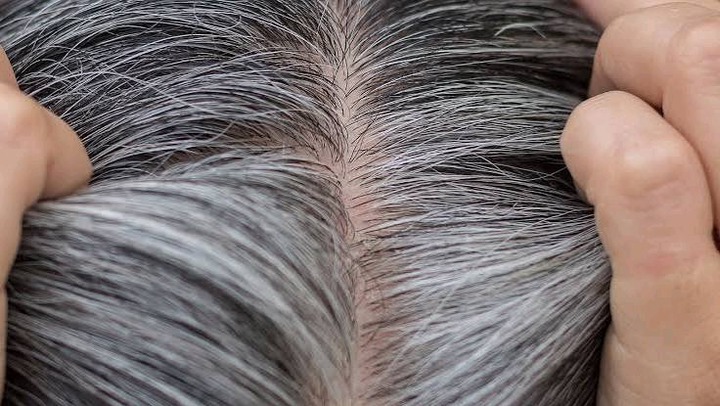
Grey and white hair are common changes that many people experience as they grow older. However, some individuals begin noticing grey strands in their twenties or thirties, which can make them worried about their appearance.
While grey hair is a natural part of ageing, certain factors such as genetics, nutritional deficiencies, smoking, and some medical conditions may contribute to premature greying.
Many people spend money on expensive hair products hoping to restore their natural hair colour. Fortunately, some simple home remedies and healthy lifestyle habits may help improve hair health and address certain causes of premature greying.
However, it is important to understand that there is no scientifically proven natural remedy that reliably turns age-related grey or white hair back to its original colour.
Here are some remedies and habits worth knowing about.
### 1. Coconut Oil
Coconut oil is widely used for hair care because of its moisturizing properties.
Regular application may help reduce dryness, protect hair strands from damage, and improve the appearance of your hair.
To use coconut oil, apply a small amount to your hair and massage it gently through the strands. Leave it for about 20–30 minutes before washing, or use a small quantity as a leave-in treatment if suitable for your hair type.
Although coconut oil can improve hair condition, there is no reliable evidence that it can reverse grey hair.
### 2. Curry Leaves
Curry leaves are commonly used in traditional hair care practices, particularly in parts of Asia.
Some people boil curry leaves in coconut oil and apply the mixture to their hair, believing that it helps maintain their natural hair colour.
However, scientific evidence supporting curry leaves as a treatment for grey hair is limited.
If you choose to use this mixture, allow it to cool completely before applying it to your scalp. Discontinue use if irritation occurs.
### 3. Amla (Indian Gooseberry)
Amla is a fruit rich in vitamin C and antioxidant compounds. It is frequently included in traditional hair oils and hair care preparations.
Antioxidants help protect cells from oxidative damage, which has been investigated as one of the factors associated with hair greying.
However, there is insufficient clinical evidence that applying amla oil or consuming amla can restore natural pigment to grey hair.
Amla may still be included as part of a balanced diet or regular hair care routine.
### 4. Eat Foods Rich In Vitamin B12 And Other Nutrients
Nutritional deficiencies can sometimes contribute to premature greying.
Vitamin B12, iron, copper, and folate are among the nutrients involved in normal body functions and healthy hair growth.
Foods such as eggs, fish, meat, dairy products, beans, leafy vegetables, and nuts can help provide important nutrients.
If your grey hair is associated with a nutritional deficiency, correcting that deficiency may help prevent further changes, although existing grey strands may not regain their original colour.
Avoid taking high-dose supplements without medical advice.
### 5. Black Tea Rinse
Black tea is another popular home remedy used by people who want their hair to appear darker.
Some people prepare a strong black tea rinse, allow it to cool, and apply it to their hair.
Black tea may temporarily stain or darken some hair strands, but the effect is generally temporary and varies depending on hair type and colour.
It does not restore the natural pigment responsible for hair colour.
If you try a tea rinse, avoid applying hot liquid to your scalp and be aware that it may stain clothing or towels.
### 6. Avoid Smoking And Maintain A Healthy Lifestyle
Smoking has been associated with premature hair greying in observational studies.
Tobacco smoke exposes the body to harmful chemicals that can contribute to oxidative stress.
Avoiding smoking, eating a balanced diet, getting adequate sleep, and managing stress can support general health and healthy hair.
Although these habits cannot guarantee the prevention of grey hair, they may help reduce some avoidable factors associated with premature ageing.
### 7. Consider Safe Hair Colouring Options
For people who want to cover grey hair immediately, cosmetic hair dyes are generally more effective than home remedies.
Permanent and semi-permanent hair colours can help conceal grey strands, while some plant-based products, such as henna, may provide alternative colouring options.
However, hair dyes can cause allergic reactions or scalp irritation in some individuals.
Always follow product instructions and perform the recommended allergy alert test before using a new hair colour.
### What Causes Hair To Turn Grey?
Hair gets its natural colour from a pigment called melanin, which is produced by specialized cells in hair follicles.
As people age, these pigment-producing cells become less active or are lost, causing new hair strands to grow grey or white.
Genetics plays a major role in determining when this process begins.
In some cases, premature greying may be associated with vitamin deficiencies, thyroid disorders, or certain autoimmune conditions.
If your hair begins turning grey unusually early or the change happens suddenly, consider speaking with a healthcare professional to determine whether further examination is necessary.
### Conclusion
Grey and white hair are natural changes that do not always indicate poor health.
Although remedies such as coconut oil, curry leaves, amla, and black tea are popular in traditional hair care, they have not been proven to permanently reverse age-related greying.
The best approach is to maintain a nutritious diet, practise proper hair care, avoid smoking, and seek medical advice if you suspect an underlying health condition.
Remember: Healthy hair is not determined by its colour. Whether your hair is black, grey, or white, proper care can help keep it looking attractive and well-maintained.