
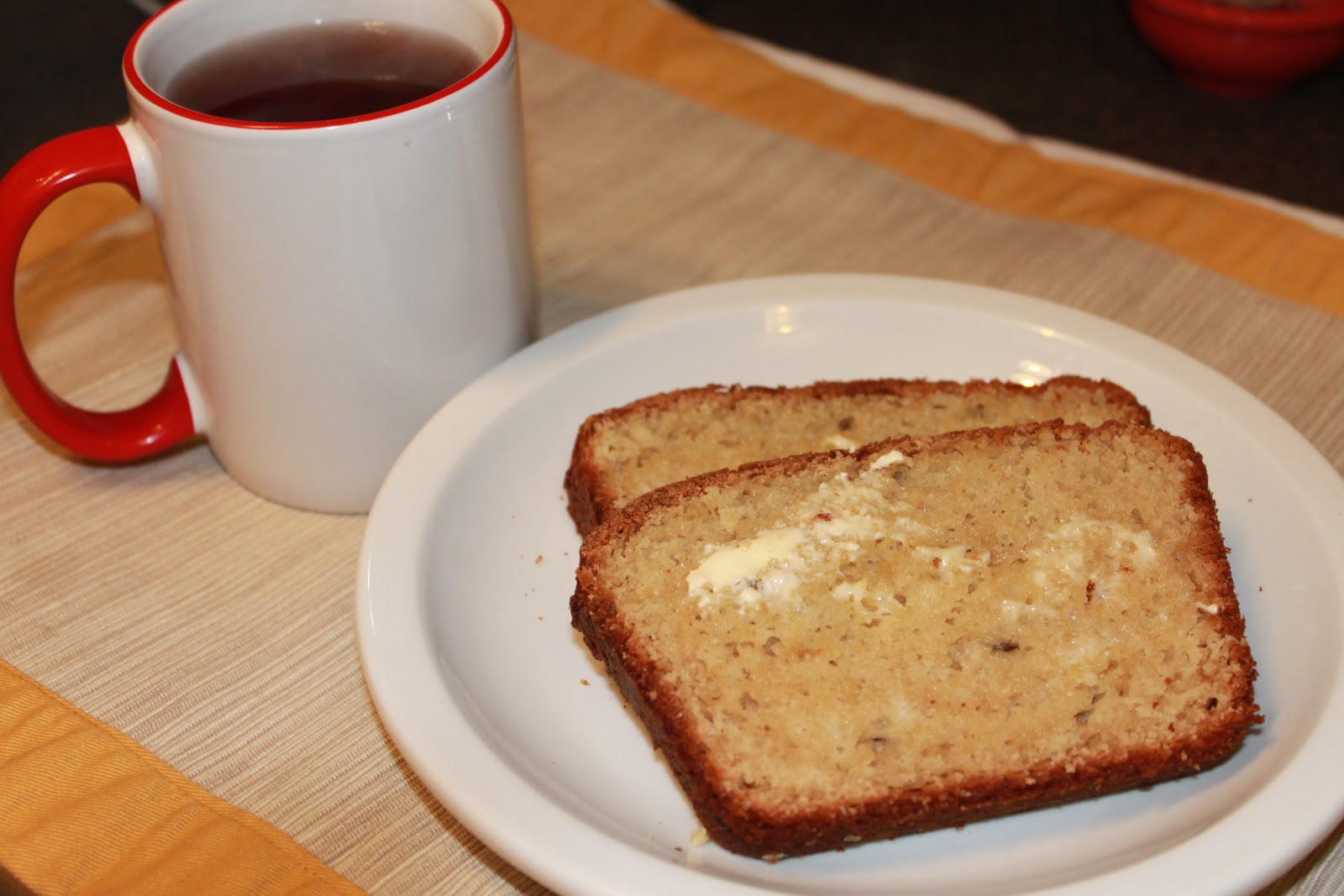
Bread and tea are common in many diets, but for some people, they can worsen health issues. Below are conditions where avoiding them is highly recommended:
1. Diabetes
Bread, especially white bread, is high in refined carbs that spike blood sugar levels.
Tea, when taken with sugar or milk, further increases glucose levels.
2. Gluten Intolerance or Celiac Disease
Bread contains gluten, which can damage the small intestine in people with gluten sensitivity.
This leads to bloating, stomach pain, diarrhea, and long-term nutrient deficiencies.
3. Obesity and Weight Management Issues
Bread is calorie-dense and can contribute to weight gain if eaten excessively.
Tea with sugar and milk adds hidden calories, making weight control harder.
4. Acid Reflux (GERD)
Bread can cause bloating and worsen acid reflux symptoms.
Strong tea increases stomach acid, triggering heartburn.
5. Anemia (Iron Deficiency)
Tea contains tannins, which block iron absorption in the body.
Eating bread with tea further reduces the body’s ability to absorb essential nutrients.
6. High Blood Pressure
Some bread varieties are loaded with sodium, which increases blood pressure.
Tea with excess sugar can also contribute to hypertension.
Healthier Alternatives
Instead of white bread: choose whole grain, oat, or gluten-free bread.
Instead of strong tea: drink herbal teas like ginger, chamomile, or green tea without sugar.
Pair meals with fruits and vegetables to boost fiber and nutrients.
Stay hydrated with water to support digestion and overall health.
Note: If you have any of the above conditions, consult a doctor or nutritionist for personalized guidance.