
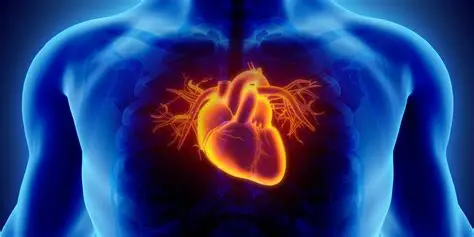
Heart failure does not always happen suddenly. In many cases, the body gives clear warning signs that your heart is struggling to pump blood effectively.
Ignoring these symptoms can be dangerous. Here are the key signs to watch out for and what you should do right away:
Symptoms That Indicate Heart Failure
1. Shortness of Breath
Struggling to breathe during simple activities like walking or climbing stairs.
Difficulty breathing while lying flat in bed.
2. Persistent Fatigue and Weakness
Feeling tired even after resting.
Lack of energy to perform daily tasks.
3. Swelling (Edema)
Swelling in the ankles, legs, feet, or abdomen due to fluid buildup.
4. Rapid or Irregular Heartbeat
Heart racing, pounding, or skipping beats without exertion.
5. Persistent Cough or Wheezing
Producing pink, frothy mucus.
Cough worsening at night or when lying down.
6. Sudden Weight Gain
Gaining more than 2–3 kilograms in a short period due to fluid retention.
7. Chest Pain or Pressure
Discomfort that spreads to arms, neck, or back (seek urgent help).
8. Confusion or Difficulty Concentrating
Reduced blood flow to the brain leading to memory lapses or dizziness.
9. Loss of Appetite and Nausea
Feeling full quickly or experiencing stomach discomfort.
10. Frequent Nighttime Urination
Waking up several times to urinate at night, caused by fluid redistribution.
—
What You Need To Do Immediately
1. Seek Medical Attention
Visit a doctor or cardiologist for proper diagnosis and treatment.
Do not ignore persistent symptoms.
2. Monitor Your Health
Check your weight daily for sudden increases.
Track blood pressure and heartbeat regularly.
3. Adjust Lifestyle Habits
Reduce salt intake to prevent fluid buildup.
Limit alcohol and avoid smoking completely.
Engage in light exercise as recommended by a doctor.
4. Take Medications as Prescribed
Diuretics, beta-blockers, and other heart medicines can help manage symptoms.
Never stop medications without a doctor’s approval.
5. Emergency Action
If you experience severe chest pain, fainting, or sudden shortness of breath, call emergency services immediately.
Note: Early detection and lifestyle adjustments can prevent heart failure from worsening. Do not self-medicate—always consult a healthcare professional.