
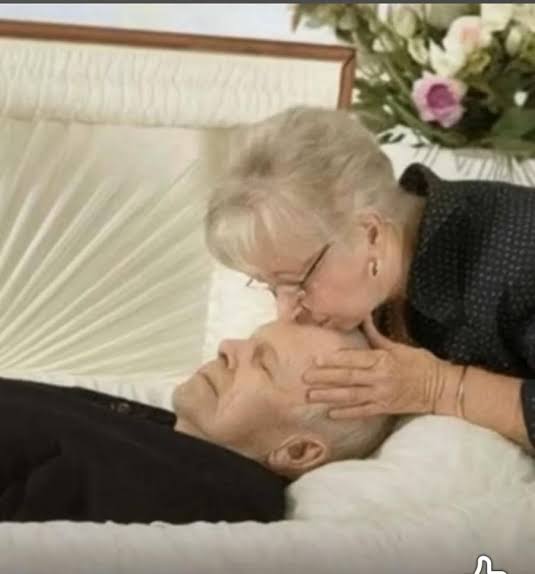
Losing a loved one is a painful experience. During this difficult time, some people express their grief by hugging or kissing the hand or forehead of the deceased. However, there are some important things to understand about this practice.
After death, the human body begins to change. As time passes, bacteria break down body tissues and may produce gases and unpleasant smells. Depending on how long the person has been dead and how the body is preserved, there may also be health risks from direct contact with bodily fluids.
Kissing the hand or forehead of a deceased person does not automatically mean you will become ill. However, it is important to take proper precautions, especially if the body has not been properly preserved.
People who prepare bodies for burial may come into contact with bodily fluids and other potentially infectious materials. This is why funeral workers follow safety procedures, including wearing protective equipment when necessary.
If you need to touch a deceased loved one as part of a funeral or farewell ceremony, follow the guidance of the funeral staff. Avoid contact with open wounds or bodily fluids, and wash your hands thoroughly afterward.
For people who follow spiritual or religious practices, prayer and worship may also provide comfort during the grieving process. Some religious traditions encourage specific prayers or rituals when saying goodbye to a loved one.
Ultimately, saying goodbye to someone you love is a personal experience. You can express your love and grief in a way that respects your beliefs while also taking reasonable steps to protect your health.