
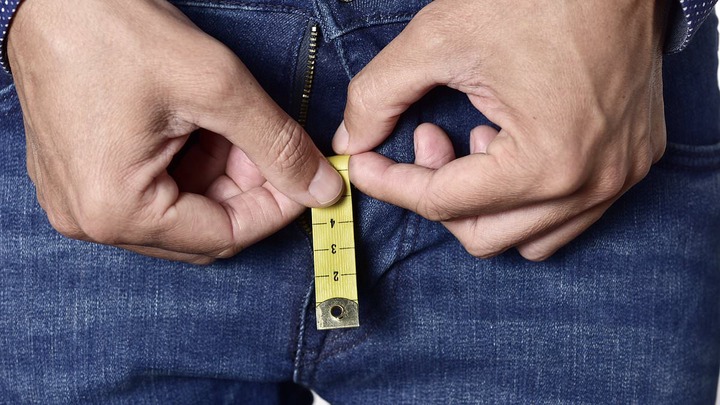
Penis size remains one of the most sensitive subjects among men, with many reluctant to discuss their concerns openly. However, medical discussions about male anatomy are increasingly challenging common beliefs about what constitutes an average or normal penis size.
British doctor and columnist Dr Max Pemberton has brought attention to the subject, highlighting the figures surrounding average penis measurements in the United States and the psychological pressure some men experience when comparing themselves with others.
According to the figures discussed in the report, the average erect penis length among men is approximately 5.6 inches, equivalent to about 14 centimetres. The measurement offers a reference point for understanding normal variations in male anatomy rather than a standard that every man is expected to meet.
The discussion also highlights how pornography and social media may contribute to unrealistic expectations. Men who regularly encounter exaggerated portrayals of male anatomy can develop misleading ideas about what is considered normal.
For some, these comparisons can affect confidence, relationships and their general perception of their bodies. Others may become excessively worried about their measurements despite falling within the normal range.
Dr Pemberton also draws attention to micropenis, a rare medical condition involving an unusually small penis. Medical professionals assess the condition using specific clinical measurements rather than relying on comparisons with the average male population.
The concerns surrounding penis size are not always physical. Some men experience significant anxiety, embarrassment and reduced self-esteem because they believe their bodies do not meet certain expectations.
In severe cases, persistent dissatisfaction with one’s physical appearance may be associated with body dysmorphic disorder, a mental health condition characterised by excessive preoccupation with perceived physical flaws.
Health professionals therefore encourage men experiencing these concerns to seek appropriate medical advice instead of turning to unverified enlargement products or potentially dangerous procedures.
Psychological support, including cognitive behavioural therapy, may also help individuals challenge negative beliefs about their bodies and develop healthier self-esteem.
Ultimately, the discussion serves as a reminder that penis size varies naturally among men and should not be treated as a measure of masculinity, sexual ability or personal worth. Experts encourage more honest conversations about male body image to help reduce unnecessary anxiety and the stigma surrounding the subject.