
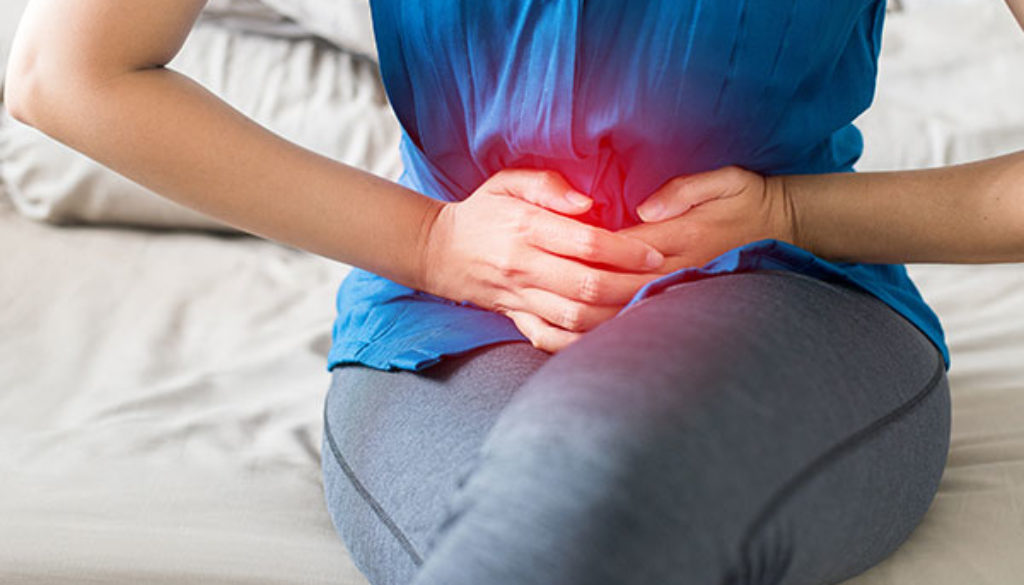
Many women experience painful periods (dysmenorrhea), which can interfere with daily activities. Below are the common causes and remedies:
Causes of Painful Periods
1. Excess Prostaglandins – These are hormone-like substances that cause uterine contractions. Too much of them leads to severe cramps.
2. Endometriosis – A condition where tissue similar to the uterine lining grows outside the uterus, causing pain.
3. Fibroids – Noncancerous growths in the uterus that can make periods heavier and more painful.
4. Pelvic Inflammatory Disease (PID) – An infection in the reproductive organs that can cause cramping.
5. Cervical Stenosis – Narrowing of the cervix that slows menstrual flow, increasing pressure and pain.
6. Adenomyosis – When the uterine lining grows into the muscle wall of the uterus, leading to severe cramps.
7. Poor Lifestyle Habits – Stress, lack of sleep, smoking, or excessive alcohol intake can worsen period pain.
How To Stop Painful Periods
1. Over-the-Counter Pain Relievers – Ibuprofen or naproxen help reduce prostaglandin levels and ease cramps.
2. Heat Therapy – Applying a heating pad or warm water bottle on the lower abdomen relaxes the muscles.
3. Regular Exercise – Physical activity improves blood circulation and reduces menstrual pain over time.
4. Hydration and Diet – Drinking water, eating more fruits and vegetables, and reducing caffeine/salt intake help lessen bloating and cramps.
5. Stress Management – Yoga, meditation, or deep breathing exercises can calm the body and reduce pain intensity.
6. Hormonal Birth Control – Pills, patches, or intrauterine devices (IUDs) regulate or even stop periods, which can reduce pain.
7. Medical Treatment – For conditions like endometriosis or fibroids, a doctor may recommend surgery or specialized therapies.
8. Herbal and Natural Remedies – Ginger tea, chamomile tea, and turmeric may provide natural anti-inflammatory effects.