
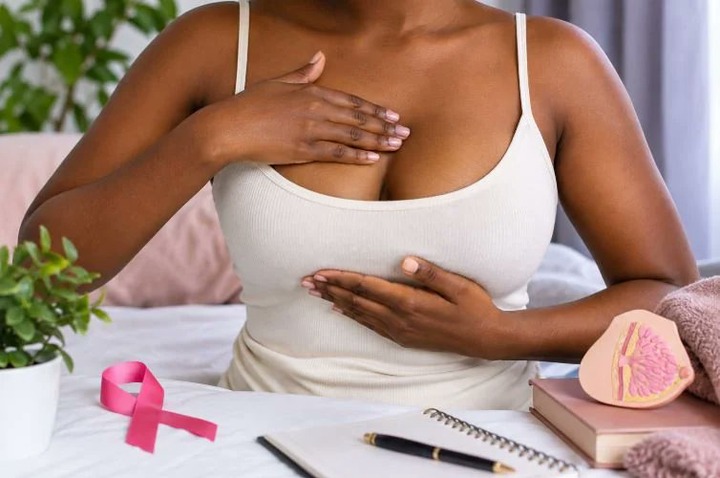
Breast health is an important part of women’s overall wellbeing, yet many women rarely take time to examine their breasts or understand the changes that occur naturally in their bodies. Medical experts encourage women to become familiar with their breasts so they can recognise unusual developments and seek medical attention when necessary.
Breasts are naturally different in size, shape, firmness and appearance. It is also normal for one breast to be slightly bigger than the other. Hormonal changes during menstruation can cause temporary swelling, tenderness and changes in breast texture. Pregnancy, breastfeeding and menopause can also influence how breasts look and feel.
However, understanding these natural differences is important because some changes may signal an underlying medical condition. A new lump or unusual thickening in the breast or armpit is among the signs women should not ignore. Although many breast lumps are harmless, it is important to have unfamiliar lumps examined by a healthcare professional.
Other warning signs include changes in breast shape or size, unexplained swelling, dimpling of the skin and persistent redness. Women should also pay attention to changes involving their nipples, including sudden inward turning, unusual discharge or changes in the surrounding skin.
Breast pain is another symptom that can cause concern. While tenderness is sometimes associated with hormonal fluctuations, persistent or localised pain should be evaluated, particularly when accompanied by other unusual changes.
How to check your breasts at home
Women are encouraged to develop a routine of observing and feeling their breasts to understand their normal appearance and texture. The process can begin by standing in front of a mirror with the arms relaxed, checking for differences in shape, swelling or changes in the skin.
The next step involves raising both arms and observing whether there are unusual changes. Women can then use their fingers to gently examine each breast, moving in small circular motions while covering the entire area, including the region around the nipples and underneath the armpits.
The examination can be performed while bathing or lying down. Women who menstruate may prefer checking their breasts a few days after their periods, when hormonal swelling and tenderness are usually reduced.
Why early detection matters
Breast cancer remains a major health concern, and recognising unusual symptoms can encourage women to seek medical assessment before a condition progresses. However, discovering a lump does not automatically mean someone has cancer, since breast cysts and other non-cancerous conditions can also cause changes.
It is equally important to understand that breast self-examination does not replace professional medical assessments or recommended screening procedures such as mammograms.
Women should avoid waiting until they experience severe pain before seeking medical advice. Some breast conditions, including early breast cancer, may not cause pain or noticeable discomfort.
Ultimately, taking a few minutes to understand one’s breasts can encourage greater awareness and responsible healthcare decisions. Women should feel comfortable discussing unusual changes with healthcare professionals instead of ignoring symptoms out of fear or embarrassment.