
Itching in the pubic area can be caused by several factors, including infections, allergic reactions, excessive sweating, poor personal hygiene, and wearing tight underwear. Failing to change or wash your underwear regularly can also contribute to irritation and discomfort.
However, one common cause of persistent itching in the pubic region is a tiny insect known as **pubic lice**, commonly called crab lice.
These parasites can infest the hair around the genitals, causing intense itching and skin irritation. Although they are small, they can be quite uncomfortable and should be treated promptly.
What Are Pubic Lice?
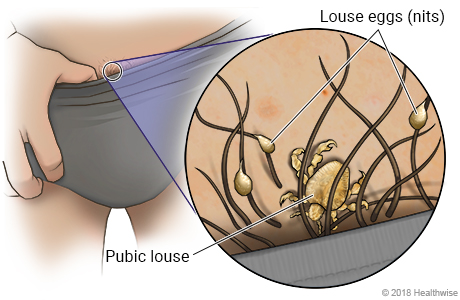
Pubic lice are tiny, wingless parasitic insects that live on human hair and feed on small amounts of human blood. They are commonly called crab lice because their bodies and claw-like legs resemble those of crabs.
The insects use their claws to grip coarse human hair, particularly around the pubic region. However, they can also be found in other areas with coarse hair, including the armpits, chest, beard, moustache, eyebrows, and eyelashes.
Because of their small size, pubic lice can be difficult to notice. They may remain undetected until the affected person begins experiencing itching and other symptoms.
## How Do You Know If You Have Pubic Lice?
Symptoms of pubic lice infestation may not appear immediately after transmission. Some people may take several days or longer to notice signs of an infestation.
Common symptoms include:
– **Persistent itching:** This is the most common symptom and usually occurs around the pubic region. The itching is caused by an allergic reaction to the lice bites.
– **Skin irritation:** The affected area may become red, irritated, or swollen.
– **Visible lice or eggs:** Tiny lice or their eggs, known as nits, may be visible attached to pubic hair.
– **Small spots of blood:** You may occasionally notice tiny spots of blood or dark specks in your underwear.
– **Sores from scratching:** Excessive scratching can damage the skin and increase the risk of secondary bacterial infections.
If you experience persistent itching around your private parts, do not automatically assume it is caused by pubic lice. Other conditions, including fungal infections, eczema, and allergic reactions, can produce similar symptoms.
## How Can You Prevent Pubic Lice?
Although pubic lice can be uncomfortable, there are practical steps you can take to reduce your risk of becoming infested.
### 1. Be Careful About Sexual Contact
Pubic lice are commonly transmitted through close physical contact, particularly sexual contact with an infected person.
Having multiple sexual partners may increase your chances of exposure, especially when you do not know whether a partner has an infestation.
If you discover that you have pubic lice, avoid sexual contact until you and your sexual partners have been properly treated. This helps prevent passing the parasites to other people.
It is also important to understand that condoms do not reliably prevent pubic lice because the insects can spread through direct contact with infested body hair.
### 2. Wash Your Bedsheets and Bedding Regularly
Maintaining clean bedding is another important preventive measure.
Pubic lice generally cannot survive for long away from the human body, but they may remain alive on recently used clothing, towels, and bedding for a short period.
Wash bedsheets, pillowcases, blankets, and other recently used bedding in hot water and dry them using a hot dryer setting when possible.
This is particularly important if you or someone you live with has been diagnosed with pubic lice.
### 3. Avoid Sharing Towels, Underwear, and Clothing
Sharing personal belongings can increase the risk of exposure to pubic lice, particularly when the items have recently been used by an infected person.
Avoid sharing underwear, towels, clothing, and bedding with other people.
Although direct sexual contact is the most common route of transmission, pubic lice can occasionally spread through contaminated personal items.
### 4. Maintain Good Personal Hygiene
Regular bathing, changing your underwear daily, and keeping your private area clean can help prevent irritation and maintain good skin health.
However, it is important to understand that pubic lice are not necessarily a result of poor hygiene. Anyone can become infested through close physical contact with an infected person.
### 5. Seek Medical Treatment When Necessary
If you notice persistent itching, visible lice, or tiny eggs attached to your pubic hair, consult a healthcare professional.
Pubic lice can usually be treated with appropriate medicated lotions or creams, such as products containing permethrin. Follow medical instructions carefully and ensure that sexual partners are also assessed and treated when necessary.
You should also wash recently used clothing, towels, and bedding appropriately to reduce the possibility of reinfestation.
Avoid scratching the affected area repeatedly, as this can damage your skin and lead to additional infections.
## Final Thoughts
Pubic lice may be tiny, but they can cause considerable discomfort if left untreated. Understanding how they spread, recognising their symptoms, and taking preventive measures can help protect your personal health.
If you suspect that you have pubic lice, seek appropriate treatment rather than relying on home remedies or ignoring the symptoms. Early treatment can help eliminate the parasites and prevent further transmission.